
Review · RAFTING
Mai Chau &Pu Luong 3D2N: Local Culture, Farming,Rafting& Swimming
Mai Chau and Pu Luong give you a close look at northern Vietnam beyond the usual city route. You walk through rice paddies, visit Thai villages, watch silk being made from cocoon to cloth, and spend time beside streams and old waterwheels. The trip feels active, but it leaves room for a pool, local meals, and a comfortable night in the hills.
I like the small group of no more than 12 and the way the program mixes walking, cycling, rafting, swimming, cooking, and village visits. I also like the local focus. Guides such as Nga and Vinh explain farming and customs in plain language, and some visits take you into homes and family-run craft settings.
The main drawback is the amount of road time. Day one begins early and includes about three and a half hours on the road to Mai Chau, followed by a transfer to Pu Luong. The schedule is full, and swimming or some outdoor activities depend on weather.
Key points to know before booking
- Mai Chau and Pu Luong in one trip: You visit two of northern Vietnam’s most scenic rural areas rather than settling in one valley.
- Silk weaving in Lan Village: You see the process from cocoon to textile and get a chance to try the craft yourself.
- Waterwheels, farms, and village homes: The program focuses on working rural life, not just photo stops.
- Bamboo rafting on Cham Stream: You raft and eat lunch beside the stream, with swimming possible when conditions allow.
- Small groups and local guides: The group is capped at 12, and guides including Nga and Vinh add context about farming, food, and customs.
- A busy but varied three days: You get walks, cycling, a buffalo cart ride, cooking, swimming, and time at a lodge pool.
Why Mai Chau and Pu Luong work well together
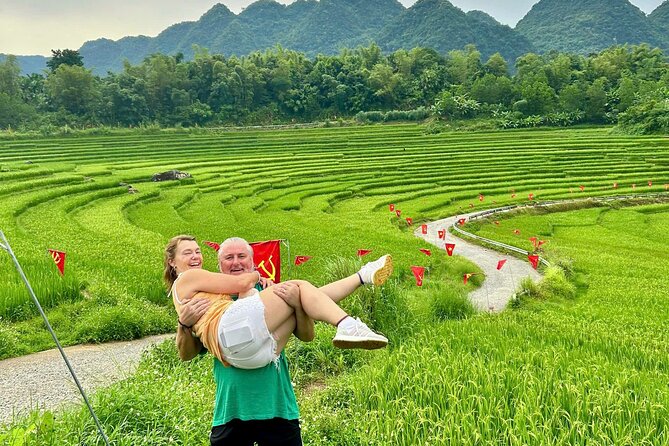
Mai Chau and Pu Luong are close enough to combine, but they offer slightly different impressions of rural northern Vietnam. Mai Chau is known as an important home of the Thai people, with villages, rice paddies, and farming traditions. Pu Luong adds steeper hills, streams, forested slopes, and small settlements spread through the reserve.
I like this pairing because you are not asked to choose between scenery and culture. The rice fields give you the wide views, while the village visits explain how people live and work in the same setting. A visit to a house, a farm, or a weaving area can tell you more than another roadside viewpoint.
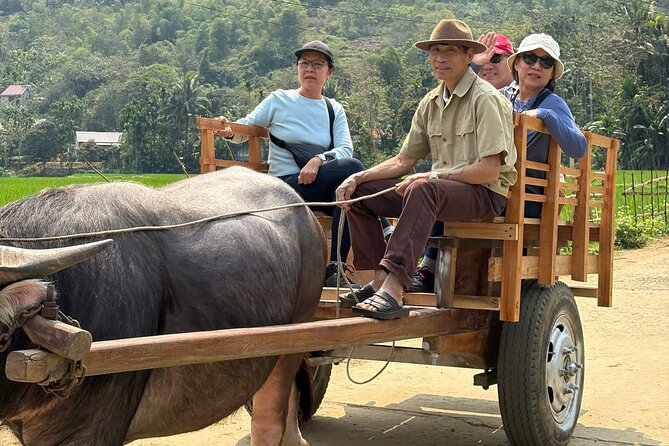
The trip also avoids being only a hiking holiday. You can walk through fields, cycle through Chieng Ai Village, cross the Bamboo Bridge over the Ma River, and take a buffalo cart ride. At other times, you can sit down for lunch, swim in Cham Stream if weather permits, or relax at the lodge.
More Farm Visits around the world:
- Chiang Mai: 2-Day Jungle Trek with Elephant Farm & Raft Ride
★ 4.7 · 881 reviews - Montego Bay: Cannabis Farm, Bamboo Rafting, & Foot Massage
★ 5.0 · 6 reviews - Marijuana Farm, Bamboo Rafting and Doctors Cave Beach Tour
★ 4.6 · 3 reviews
Day one: the long road from Hanoi to Mai Chau
Pickup is listed for around 7:00 from hotels in Hanoi’s Old Quarter, with pickup from Ninh Binh listed around 8:00 to 8:30. The general meeting time is given as 7:30, so I would confirm your exact pickup time and location before the morning of departure. That small detail matters when the first day already involves a long drive.
The journey to Mai Chau takes about three and a half hours. This is not a quick transfer, but it takes you from Hanoi’s busy streets into a quieter agricultural area. If you prefer short travel days, this program may feel demanding. If you want to reach the countryside without arranging several separate transfers, the shared transport is useful.
Mai Chau is described as a center of Thai culture, and the first part of the tour introduces you to that setting. You have lunch and spend time around the villages and rice fields. The scenery is the main attraction here: green paddies, mountain backdrops, and houses connected to everyday farming.
The visit is more valuable when your guide explains what you are seeing. Vinh, one of the guides praised for his work in Mai Chau, has explained local farming in detail, including how crops fit into village life. That kind of explanation keeps the walk from becoming a simple parade of pretty views.
You should expect a full first day rather than a slow arrival. At about 5:00 in the afternoon, you travel onward to Pu Luong. Arrival is listed around 6:30, followed by check-in, dinner, and time to rest at the hotel or lodge.
Your Pu Luong base and the value of a slower evening
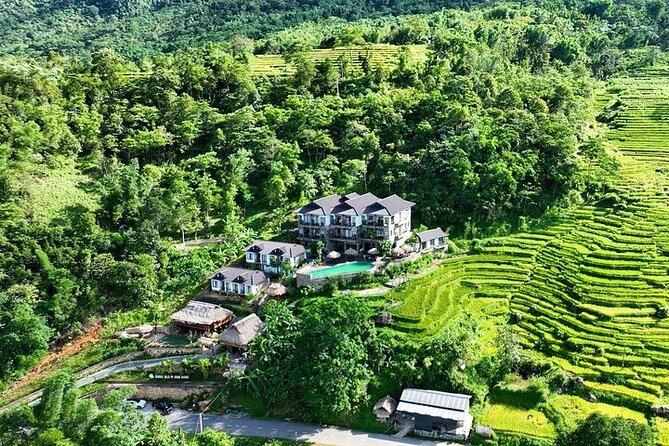
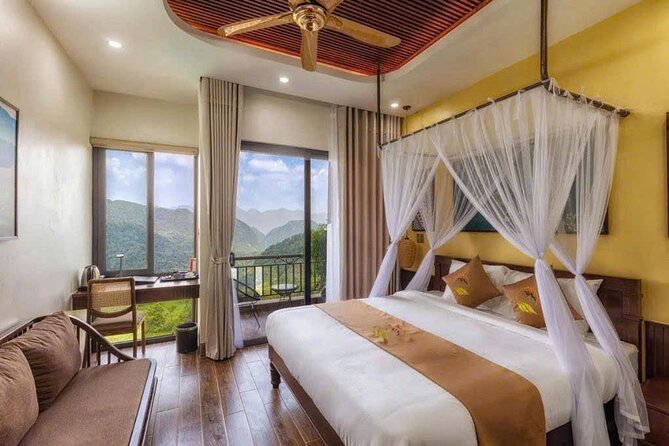
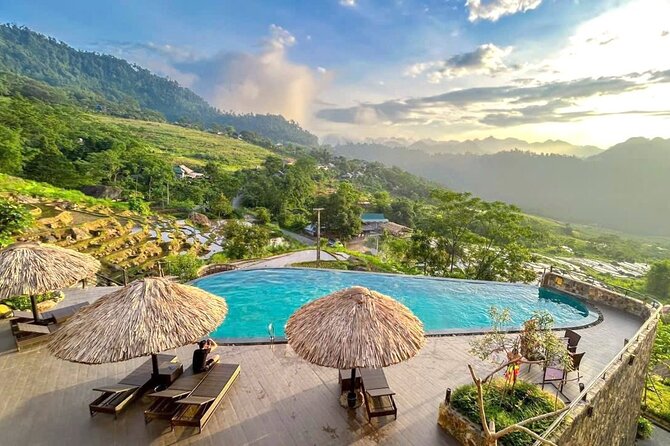
The accommodation is described as comfortable, with a pool available for relaxation. The program does not present the lodge as a luxury resort, so I would book it for its rural setting and convenience rather than for high-end facilities.
That evening is important because day two begins early. After the transfer from Mai Chau, you will appreciate having dinner at the accommodation instead of needing to find another restaurant. Two dinners and three lunches are included, which makes the $235 price easier to assess.
The price also covers entry fees and the planned transfers between Hanoi, Mai Chau, and Pu Luong. Government tax of 8 percent, tips, and personal spending are extra. You should budget for those additions when comparing the tour with a shorter day trip.
Day two: Lan Village, silk, farms, and Cham Stream
Day two begins around 8:00 to 8:30 with a pickup from the hotel. Your guide takes you toward Lan Village through rice fields and mountain scenery. This is one of the strongest parts of the program because the walk leads into local life rather than ending at a single attraction.
In Lan Village, you visit a Thai household and learn how silk is made. The process runs from cocoon to thread and then to finished textile. You also get the chance to try silk weaving with help from local artisans.
I especially like this stop for people who want a real activity rather than a quick demonstration. Weaving requires attention, and even a short attempt helps you understand the patience behind the finished cloth. It also gives you a respectful way to meet local residents without turning the visit into a staged performance.
The village and farm visits add another layer. You may see how fields are worked and how traditional skills remain part of daily life. The trip description includes time in Chieng Lau Village to observe farming and craftsmanship, so the day is not limited to sightseeing in one village.
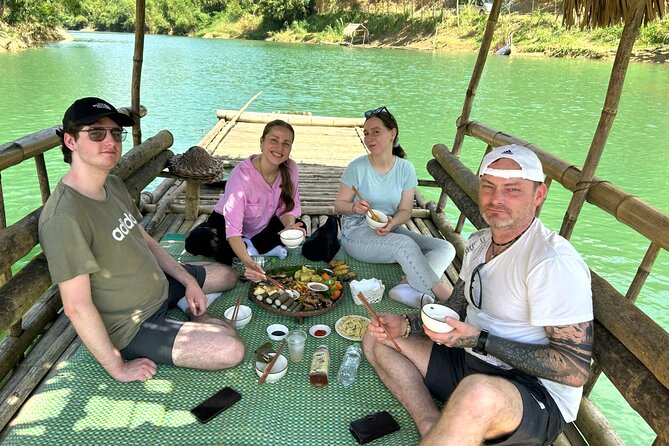
The scenery changes as you move toward Cham Stream. The stream provides the day’s most playful section: bamboo rafting, lunch beside the water, and swimming when weather and conditions permit. Bamboo rafting is usually less about speed than teamwork and the pleasure of moving slowly through a rural setting. You should bring suitable clothing, a towel, and protection for your phone, although the supplied details do not specify what equipment is provided.
Swimming is not guaranteed. Weather controls the conditions, and you should treat it as an extra rather than the main reason to book. Even without getting in the water, the stream stop gives you a break from walking and a chance to enjoy lunch outdoors.
The second day lasts about eight hours. That sounds manageable, but the combination of walking, village visits, weaving, rafting, and possible swimming makes it active. You will want practical shoes, light clothing, sun protection, and a small day bag. The itinerary does not specify the exact walking distance or trail surface, so anyone with mobility concerns should ask the operator before booking.
More Three-Day Trips around the world:
- Monkey Business 3 days – 2 nights Jungle trekking (including rafting)
★ 5.0 · 294 reviews - Dreamworld, WhiteWater World & SkyPoint 3-Day Ticket
★ 4.1 · 82 reviews - Bukit lawang tour 3days-2 night jungle trekking including rafting
★ 5.0 · 43 reviews - 3-Day Unlimited Dreamworld, WhiteWater World & SkyPoint Ticket
★ 4.0 · 16 reviews
Day three: the Bamboo Bridge and Chieng Ai Village

The final day begins around 8:00 to 8:30. You head to the Bamboo Bridge over the Ma River, where the setting shifts again. The bridge offers views of the river and surrounding countryside, while the route beyond it takes you by bicycle through Chieng Ai Village.
A bamboo bridge is a simple structure, but it can be one of the more memorable parts of a rural trip. Crossing it brings you close to the river and gives you a clear sense of how villages connect with one another. Take care with your footing and listen to your guide’s instructions.
Cycling through Chieng Ai Village lets you cover more ground than walking while keeping you close to the fields and homes. The pace should allow you to notice small details, such as farm work, household activity, and changing views along the route. The exact cycling distance is not provided, so ask if you want to know how demanding the ride will be.
The day also includes local homes, waterwheels, farms, and a visit to Hieu Waterfall. Waterwheels are a practical part of the area’s agricultural story, moving water for fields rather than serving only as decorative objects. Seeing them beside the paddies helps explain how the scenery is maintained by work and water management.
A cooking class and a meal with an older local couple are among the most personal elements described for the final day. I value this kind of visit because food gives you a direct connection to a household and its routines. The cooking lesson also means you do more than sit down to eat. You learn something you can remember and perhaps repeat at home.
The final day is listed at about five hours, shorter than the previous day. That leaves some breathing room before the return journey, though the overall schedule still depends on road conditions and the timing of the transfers.
Guides who shape the experience
A rural trip depends heavily on the guide. The villages and fields are pleasant on their own, but the guide explains what is happening and helps visits feel natural.
Nga is especially suited to the Pu Luong section. She has been praised for taking people to places they would not easily find alone, explaining the area clearly, answering questions, and helping with photos when needed. Her friendly approach matters during home visits and craft activities, where a good introduction can make the encounter more comfortable.
Vinh is associated with the Mai Chau day and has explained farming in detail. That is useful context because rice fields can look simple from a distance. A guide who explains the work behind them helps you see the valley as a living agricultural area, not just a scenic backdrop.
The company can use different guides for different sections, so you should not assume one person leads all three days. That arrangement can work well because local guides bring stronger knowledge of their own area. It also means the style may change from Mai Chau to Pu Luong.
Food, comfort, and what the $235 price buys you
At $235 per person, this is not the cheapest way to see the countryside, but it covers much more than transport. You receive three lunches, two dinners, entry fees, local guiding, planned transfers, and a two-night rural stay according to the schedule. The exact accommodation category should be confirmed if room standards are important to you.
The food is part of the appeal. Local meals are built into the program, and the cooking lesson adds a hands-on element. The information does not provide menus or dietary arrangements, so tell the operator about food restrictions before departure rather than waiting until you arrive.
The strongest value comes from the range of activities. A separate trip could require arranging transport, accommodation, village visits, cycling, rafting, and guides on your own. Here, those pieces are organized into one route, and the group size is limited to 12.
The trade-off is pace. You pay for variety, and variety means a packed schedule. This is a good choice if you want several different experiences in three days. It is less suitable if your ideal Pu Luong visit means staying in one lodge, taking long quiet walks, and leaving most afternoons free.
Who should book this three-day trip

I would recommend it to you if you want:
- A first rural trip from Hanoi with transport arranged
- A mix of culture, food, gentle adventure, and scenery
- Local guides who can explain farming and village customs
- A small group rather than a large coach tour
- A three-day break with both activity and pool time
- A chance to see Mai Chau and Pu Luong in one visit
You should think twice if long road transfers bother you, if you want a fixed luxury hotel standard, or if you need exact information about walking and cycling distances before committing. The program is active, and the description does not give detailed trail or bike specifications.
Most people can take part, and the maximum group size is 12. Still, the operator does not provide enough detail here to judge the route for every mobility level. Ask in advance about steps, uneven paths, bridge crossings, cycling, and the distance walked each day.
Free cancellation is available up to 24 hours before the start time for a full refund. Changes or cancellations made within 24 hours are not accepted for a refund, and the cutoff follows local time.
Should you book Mai Chau and Pu Luong?
Book this tour if you want an efficient, active introduction to northern Vietnam’s rural life. The silk workshop, farming visits, bamboo rafting, waterwheels, cooking class, and local meals give the trip more substance than a simple scenic drive.
I would choose it for the balance of culture and outdoor activity, especially with guides such as Nga and Vinh involved. I would not choose it for a slow retreat or a tightly controlled luxury experience. Confirm your pickup time, accommodation details, food needs, and the walking and cycling demands, then book if the full three-day mix suits you.
FAQ
Where does the tour start?
Pickup is offered from hotels in Hanoi’s Old Quarter, and pickup from Ninh Binh is also listed. The general start time is 7:30 am, while the day one schedule lists about 7:00 from Hanoi and 8:00 to 8:30 from Ninh Binh.
How long is the tour?
The experience lasts approximately three days and two nights.
How large is the group?
The tour has a maximum of 12 participants.
What is included in the price?
Entry fees, three lunches, and two dinners are included. The program also provides planned transfers between Hanoi, Mai Chau, and Pu Luong.
Is accommodation included?
The schedule includes check-in at a hotel or lodge in Pu Luong, with a comfortable lodge and pool described as part of the stay. Confirm the exact accommodation details before booking if this is important to you.
Can I swim during the tour?
Swimming in Cham Stream is offered when weather conditions permit. It is not guaranteed.
Are pickup and mobile tickets available?
Pickup is offered, and a mobile ticket is available for the experience.
What is the cancellation policy?
You can cancel at least 24 hours before the local start time for a full refund. Cancellations or changes made less than 24 hours before the start time are not accepted for a refund.
New on the river around the world
- Half-Day Family-Friendly Moab Raft Trip★ 5.0 · 49 reviews
- Moab Full-Day White Water Rafting Tour in Westwater Canyon★ 5.0 · 74 reviews
- Cataract Canyon Rafting Adventure from Moab★ 4.5 · 85 reviews
- Fisher Towers Rafting Full-Day Trip from Moab★ 4.5 · 102 reviews
- Half-Day Rafting Adventure on the Mendoza River★ 4.5 · 46 reviews
- Meteora Rafting Day Trip with Pick up from Kastraki, Kalambaka, Trikala★ 5.0 · 22 reviews
- Minakami Half-Day Rafting Adventure★ 5.0 · 34 reviews
- Fun White Water Rafting (Optional Paragliding) Private Tour from Medellin★ 5.0 · 38 reviews