
Review · USA RAFTING TOURS
Matanuska Glacier Lions Head Whitewater Rafting
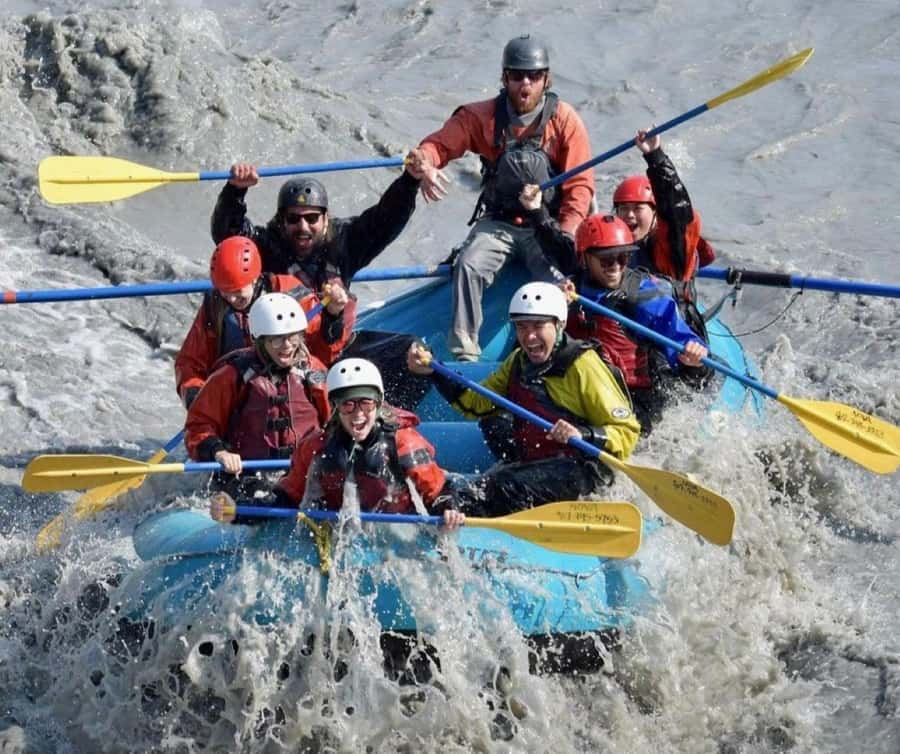
The Matanuska River does not ease you into Alaska. After a short warm-up on Caribou Creek, it gathers glacial force and sends your raft through Class III and IV rapids, crashing waves, and boulder gardens. Above it all are the Chugach and Talkeetna mountains, with Matanuska Glacier visible along the route.
I like the full river outfit, especially the dry suit, helmet, PFD, and water shoes included in the $139 price. I also like the short, focused format: two hours on the water, plus quick shuttle rides, makes this a workable half-day trip from the Mat-Su Valley. The trade-off is that it demands real effort. You must swim, climb in and out of the raft without help, and handle a physical ride.
- Caribou Creek provides a brief training run before the bigger glacial river arrives.
- Class III and IV whitewater brings crashing waves and technical boulder sections.
- Lions Head is a huge volcanic plug rising near the Matanuska Glacier.
- NOVA has run this original river trip since 1975, with guides such as Coffee and Newby leading the way.
- All standard river gear is included, including a full dry suit and water shoes.
- The $139 price covers the guided trip and shuttle, but not transportation from Anchorage or food.
Why Lions Head packs so much into three hours
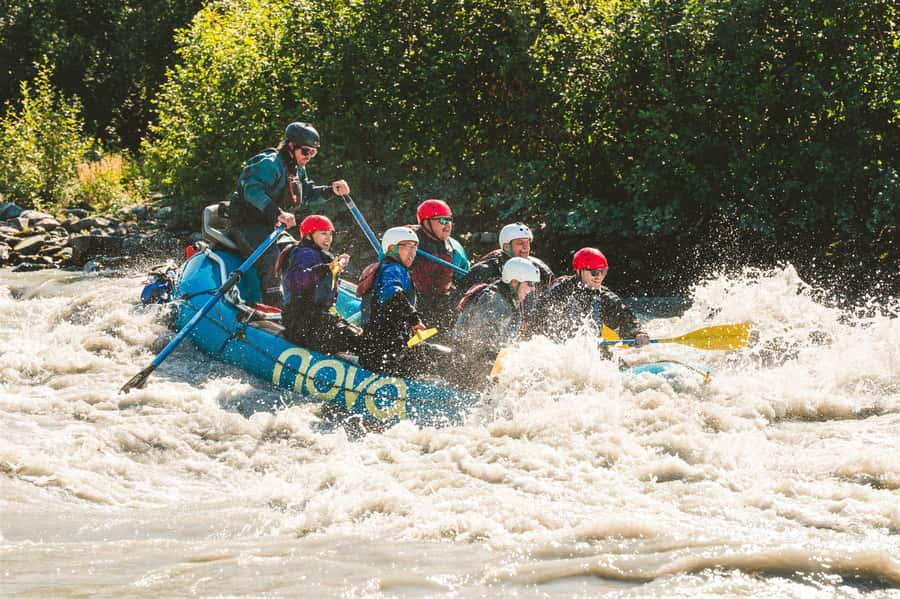
This is NOVA Alaska Guides’ original Matanuska River trip, running since 1975. That long history matters here because the outing is built around a clear purpose: get you into serious Alaskan whitewater without requiring previous rafting experience or committing a full day.
The trip is short on paper, but it is not a gentle sightseeing float. The rafting portion lasts about two hours, and the river section is chosen for action. You get waves, rapids, and exposed mountain scenery rather than long stretches of quiet water.
The Matanuska is a glacial river, and its larger volume gives the ride a strong, restless feel. The water cuts between the jagged Chugach Range and the older Talkeetna Mountains. Matanuska Glacier appears during the outing, adding a striking visual target to a trip already filled with moving water and high peaks.
I like that the route offers both a learning phase and a real challenge. You are not thrown straight into the hardest water, but the warm-up does not turn the whole trip into a basic lesson. Once Caribou Creek joins the South Fork’s glacial water, the character changes quickly.
Reaching NOVA at Mile 96.5
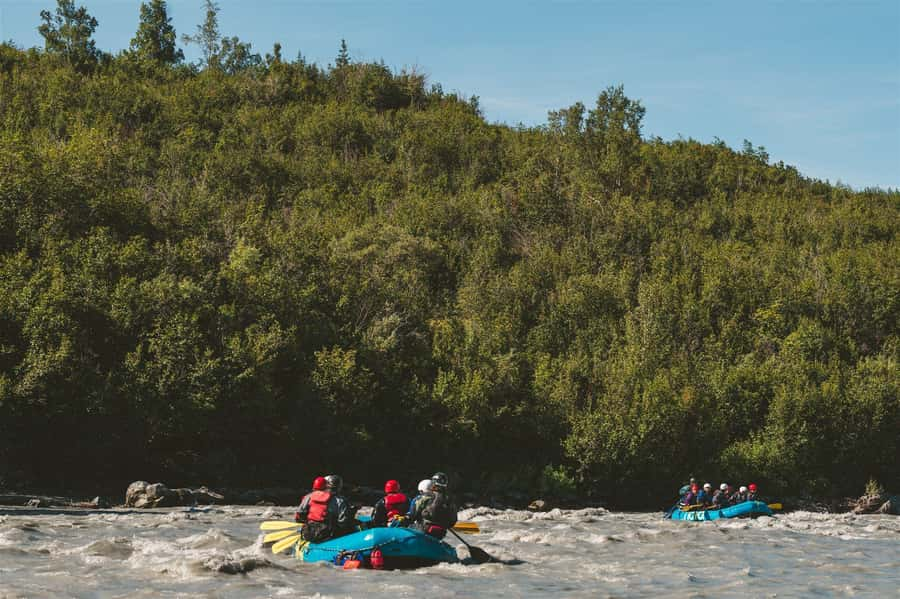
The meeting point is at Mile 96.5 on the Glenn Highway. At Hick’s Creek Bridge, you turn onto Trailhead Road, follow the driveway under the bridge, and continue to NOVA’s camp.
This location is important to plan around. The Glenn Highway north of Anchorage is a National Scenic Byway, so the drive to the starting point is part of the day’s appeal. You get big mountain views before the raft even touches the water.
The activity is about two hours north of Anchorage, but transportation from Anchorage is not included. That means you need to arrange your own way to the meeting point and allow enough time for the drive. For an Anchorage-based visit, the trip becomes a longer day once driving is added. From the Mat-Su Valley or nearby parts of the Glenn Highway, it works more naturally as a half-day outing.
At the camp, expect to get organized for the river, meet the guides, and prepare with the supplied equipment. Guide names provided for this experience include Coffee and Newby. Both are specifically noted for their professionalism and ability to handle the conditions, which matters when the main attraction is moving water rather than a passive scenic ride.
More White Water Rafting in the USA
- Half Day Whitewater Rafting Trip
★ 5.0 · 1,840 reviews - Half-Day Whitewater Rafting in Browns Canyon
★ 5.0 · 999 reviews - Whitewater Rafting in Jackson Hole : Family Standard Raft
★ 5.0 · 965 reviews
A 15-minute ride to the launch area
The first shuttle or coach ride takes about 15 minutes. It moves the group from NOVA’s camp toward the river launch area, and it keeps the outing efficient rather than making you handle your own transport between river sections.
This is a useful part of the design. You can arrive at one base, leave your vehicle there, and return to the same place at the end. You do not need to coordinate separate drop-off and pick-up points.
The supplied route description places the rafting start at Glacier View. The transfer itself is brief, so the main value is practical: less fuss, more time focused on the river. You should still expect a working outdoor setup, not a polished resort operation. Bring warm clothing, follow the guide’s instructions, and be ready to help with the physical parts of rafting.
Caribou Creek: your short training ground
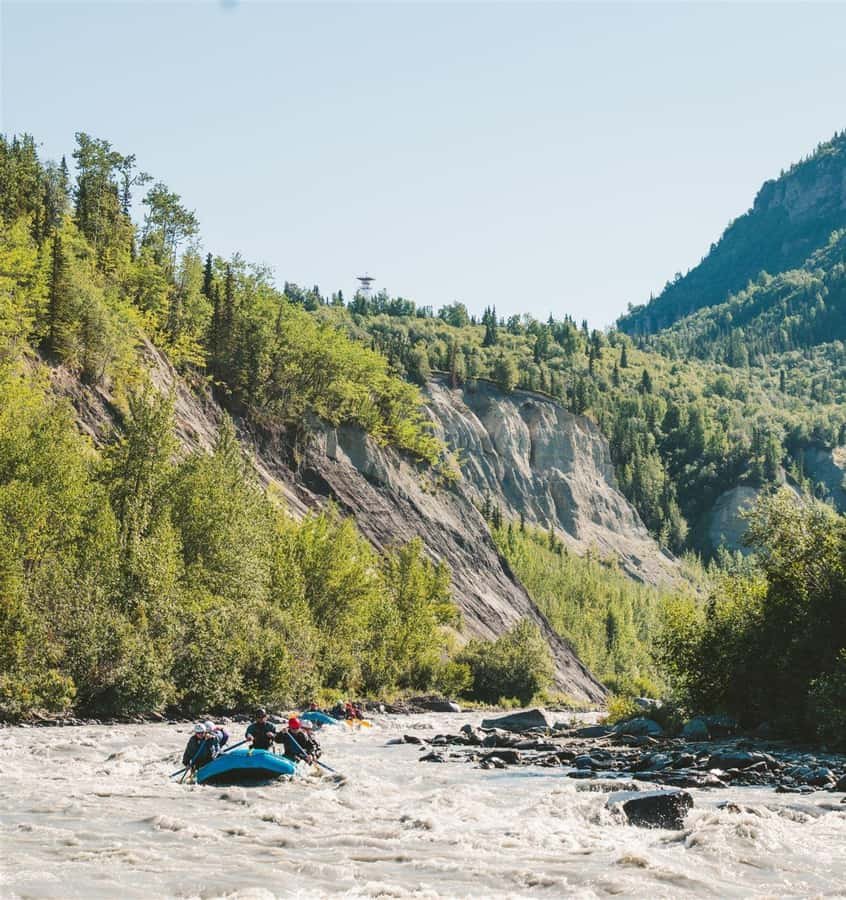
The rafting begins on Caribou Creek, described as a lower-volume tributary. This opening section gives you a chance to get used to the boat, the paddle commands, your position, and the feeling of moving water before the route reaches the larger river.
For a first-time rafter, this is welcome. Whitewater instructions make more sense once the boat is actually moving. You can settle into the rhythm and learn how the group responds to the guide before the river becomes more forceful.
Do not mistake the creek for the whole experience. It is a staging area for the main event. Once Caribou Creek merges with the glacial waters of the South Fork, the volume increases and the trip turns into the Class III and IV ride advertised.
That progression is one of the strongest features of the route. You receive a practical introduction, but the adventure does not spend most of its time in a mild channel. The short creek section leads to the rougher water that makes Lions Head famous.
The South Fork brings the real whitewater
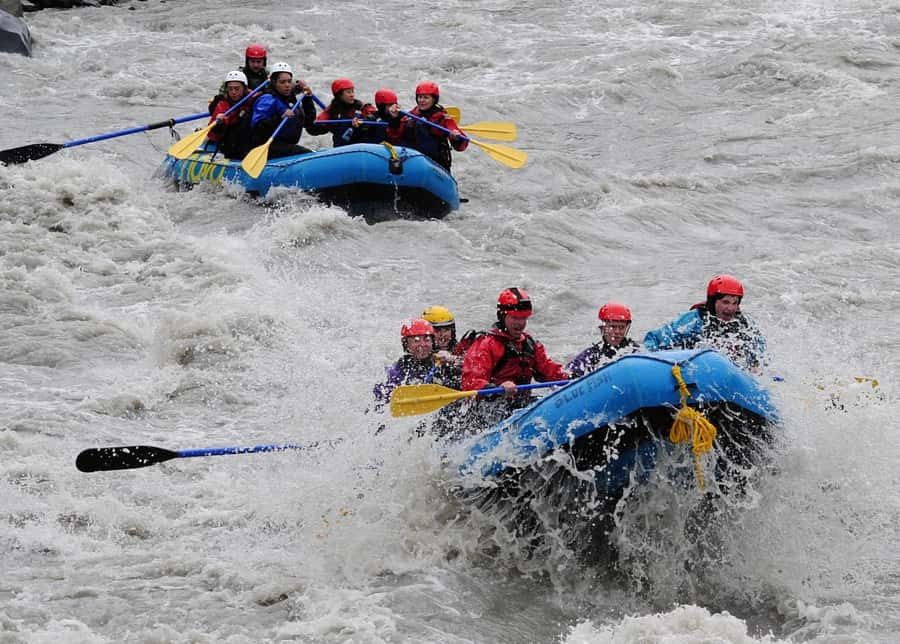
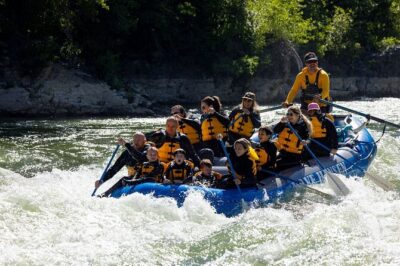
After the merge, the Matanuska becomes a powerful glacial river. The current carries more water, and the rapids become the central focus. You can expect crashing waves, roller-coaster-style motion, and boulder gardens that require attention from the whole raft.
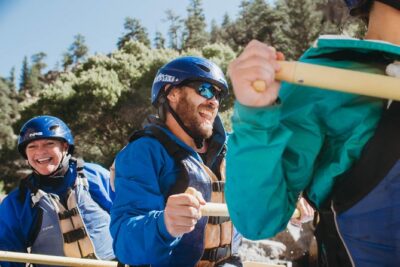
Class III and IV rapids are serious enough to demand physical participation, but this trip is designed for people without prior rafting experience. That combination explains the need for capable guides. You are not expected to arrive as an expert, but you are expected to listen, paddle, stay alert, and manage the exertion.
The supplied requirements are clear. You must be able to swim and get in and out of the raft alone. You also need to be relatively fit and able to handle some physical effort. This is not a suitable choice for someone hoping to sit back while the guide does everything.
The river runs in most weather, too. NOVA operates rain or shine in Alaska, so your comfort depends partly on preparation. The full dry suit helps, but bring warm clothing for before and after the rafting. Weather can change the feel of the day even if it does not cancel the trip.
Same river, a different way down:
- Maui Eco-Raft Tour: Eye-Level Whale or Dolphin Watching – Lahaina
★ 5.0 · 2,482 reviews - Na Pali Coast Half-Day Raft and Snorkel Adventure
★ 5.0 · 1,609 reviews - Kauai: Na Pali Coast Super Raft Snorkel Adventure
★ 5.0 · 1,530 reviews - Upper Pigeon River Rafting Trip from Hartford
★ 5.0 · 1,444 reviews
Lions Head and the Matanuska Glacier view
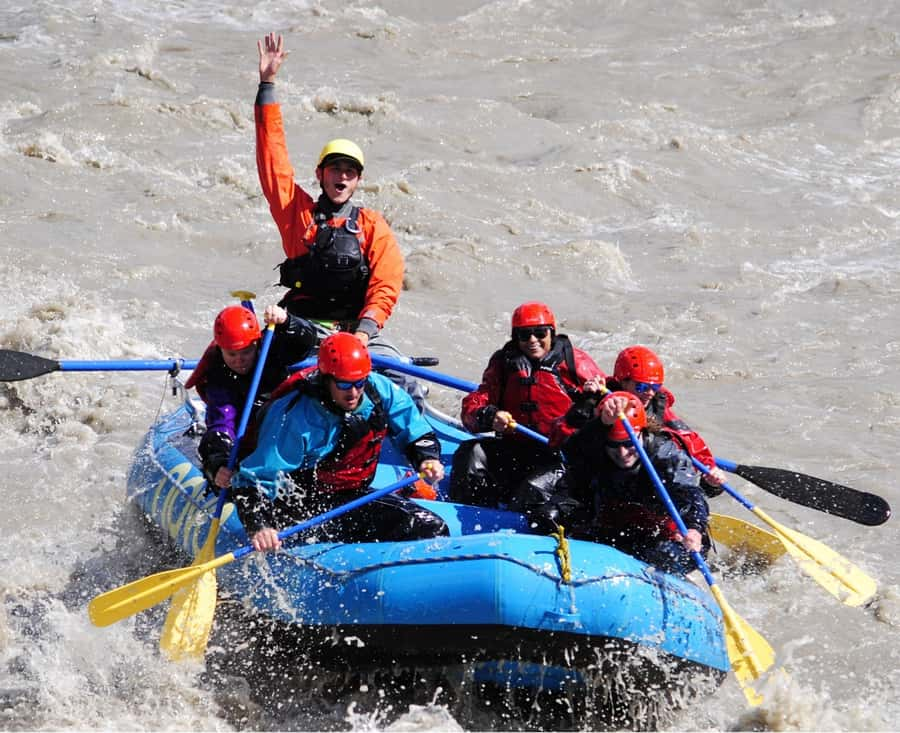
The route’s namesake feature is Lions Head, a large volcanic plug rising above the Matanuska Glacier. It gives the ride a memorable visual marker and helps connect the whitewater to the geology around you.
The scenery is unusually strong for an activity that keeps your eyes trained on waves and rocks. The Chugach Range appears jagged and dramatic, while the Talkeetnas provide a different mountain backdrop. Snow-capped peaks surround the river, and the glacier adds a broad field of ice to the view.
You may not have long to admire every detail while navigating a rapid. That is part of the appeal. The scenery arrives in quick glimpses between commands, splashes, and paddle strokes. If your main goal is calm glacier viewing, choose a dedicated glacier excursion instead. If you want scenery wrapped around a high-energy ride, this route makes a strong case.
The volcanic plug also gives the experience a sense of place. You are not running generic rapids in an anonymous river. The route has a distinct Alaskan setting, with glacial water, volcanic rock, and two major mountain ranges shaping the trip.
What the gear includes, and why it matters
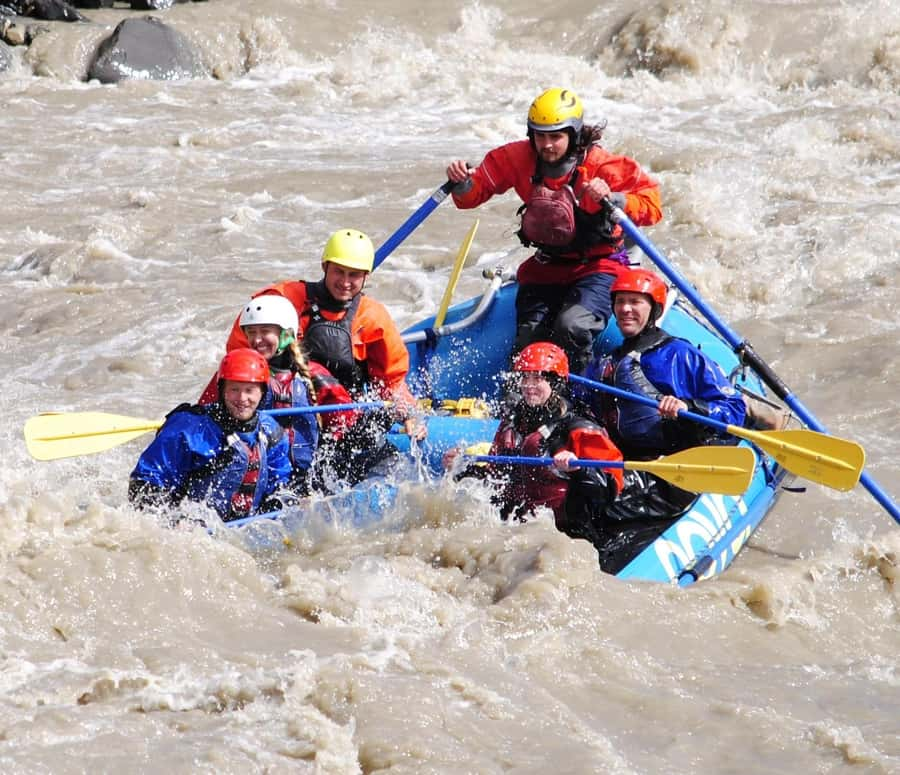
The $139 price includes the guided raft trip, instructor, shuttle, and standard river gear. NOVA provides a PFD, river helmet, water shoes, and full dry suit.
That package improves the value, particularly for visitors who do not already own river equipment. You do not need to rent separate water shoes or buy a dry suit for one outing. The equipment also makes the trip more practical in cold glacial water and changeable Alaskan weather.
You still need to bring warm clothing. The dry suit is not a reason to arrive in light summer clothes, especially for the time before launch or after you return. Food and drinks are not included, so plan those separately.
The gear does not remove the physical demands. It protects and insulates you, but you still need to paddle, maintain your position, respond to directions, and get yourself into and out of the raft.
How the $139 price compares in real value
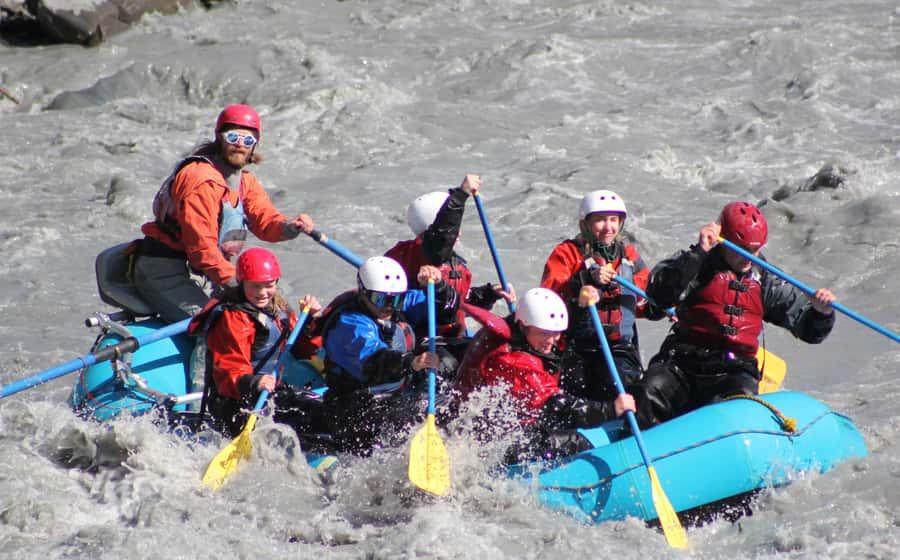
At $139 per person, this is not a cheap add-on, but the price covers the parts that can make rafting expensive and complicated: a professional guide, raft, shuttle, instructor, and complete standard river equipment.
The two-hour river run is the heart of the value. You are paying for access to a specific Class III and IV section, not just a short float near a launch point. The included dry suit and water shoes are especially useful if this is your only rafting outing in Alaska.
The price is less attractive if you are counting on a simple Anchorage activity. You must pay for or arrange your own transportation to Mile 96.5 on the Glenn Highway, and the drive from Anchorage takes roughly two hours. Food and drinks are also extra.
I would see this as good value for an active day based in the Mat-Su Valley or along the Glenn Highway. From Anchorage, it makes more sense if you already plan to drive north and want a major activity along the way.
Who should book, and who should skip it
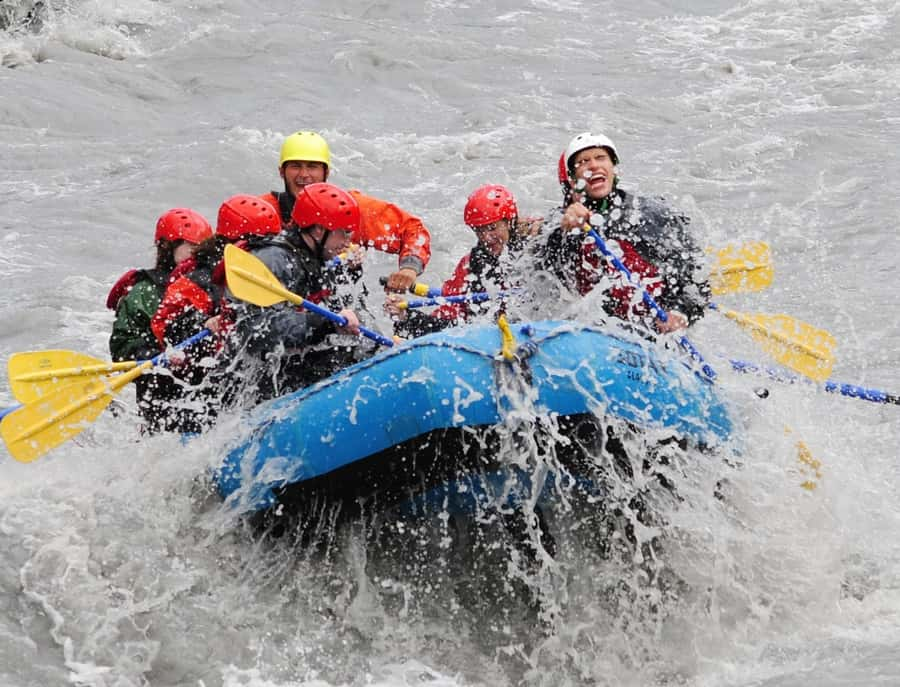
This trip fits active adults, families with children 12 and up, first-time rafters, experienced paddlers, and groups looking for a shared challenge. The family-friendly design does not mean the water is mild. It means you do not need advanced rafting credentials to join.
It can also work well for team building because everyone must respond to the guide and contribute to the raft. The shared effort is part of the experience, though the physical requirements should be taken seriously.
You should skip it if you cannot swim, cannot climb into or out of the raft independently, or do not handle exertion well. The stated limits also exclude people with heart problems, people over 65, people under 99 pounds or 45 kilograms, and people over 250 pounds or 113 kilograms.
Those restrictions are not minor footnotes. They describe the level of physical control needed for the outing. If you have a medical concern, this is the sort of activity where you should choose a gentler option rather than hope the gear will make up the difference.
Practical tips for a smoother river day
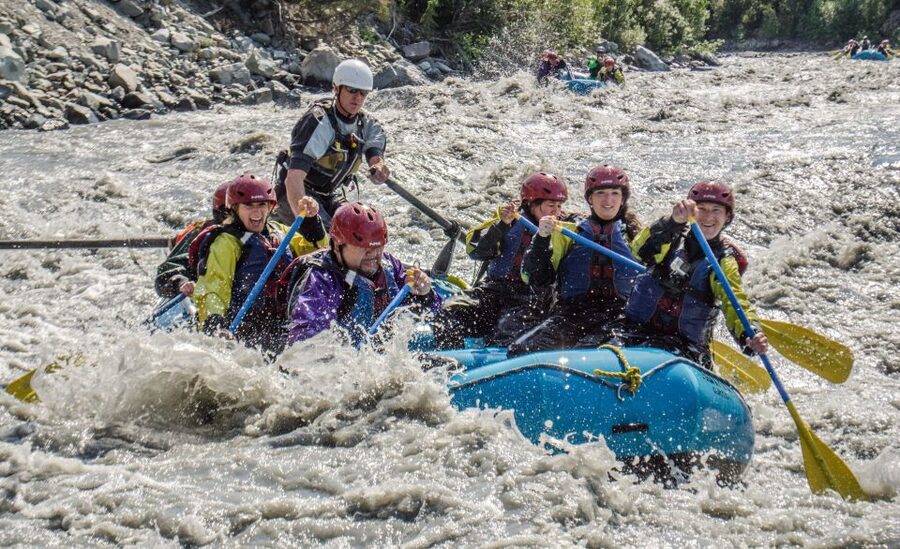
Wear warm clothing to the meeting point and for the time around the rafting. The trip runs in most weather, so rain is part of the plan rather than an unusual problem.
Do not bring food or drinks expecting them to be supplied. The experience includes neither. You should also plan your drive carefully, since the activity ends back at the NOVA meeting point rather than in Anchorage.
The rafting team does not allow waterproof cameras during the river run. That means you should not count on taking your own action photos from the raft. One useful suggestion is to ask if a group photo can be taken before leaving the river or at the end, since the lack of a permanent photo was the main practical disappointment noted about the experience.
Guide Coffee and Newby received especially strong praise for their handling of the trip and for staying professional in difficult moments. Still, listen closely to whichever guide leads your departure. River commands matter more than trying to record the ride.
Free cancellation is available up to 24 hours before the activity for a full refund, and you can reserve now and pay later. Those options help if your Glenn Highway plans are still shifting.
Final verdict: a strong choice for serious half-day fun
Book Matanuska Glacier Lions Head Whitewater Rafting if you want Alaska to feel powerful, wet, physical, and a little wild. The trip gives you a short training section, real Class III and IV rapids, striking mountain views, and the memorable sight of Lions Head near Matanuska Glacier.
The best reasons to choose it are the included full river gear, the efficient three-hour schedule, and the combination of first-timer access with genuinely exciting water. The main cautions are the long drive from Anchorage, the need for independent physical ability, and the lack of included food or transportation from the city.
If you meet the age, swimming, fitness, and weight requirements, the $139 cost is fair for a guided two-hour whitewater run with equipment included. For an easy scenic outing, choose something else. For a focused shot of Alaskan river power, this is one of the stronger options on the Glenn Highway.
FAQ
How long is the Matanuska Glacier Lions Head rafting trip?
The full activity lasts about three hours. This includes a 15-minute shuttle to the rafting area, roughly two hours of rafting, and a 15-minute return shuttle to NOVA Alaska Guides.
Where does the trip meet?
You meet at NOVA Alaska Guides at Mile 96.5 on the Glenn Highway. At Hick’s Creek Bridge, turn onto Trailhead Road, follow the driveway under the bridge, and continue to the camp.
Is transportation from Anchorage included?
No. Transportation to and from Anchorage is not included. The meeting point is about two hours north of Anchorage.
What rafting equipment is provided?
NOVA provides a personal flotation device, river helmet, pair of water shoes, and full dry suit. The guided raft trip, instructor, and shuttle are also included.
Do I need previous rafting experience?
No. Previous rafting experience is not required. The trip starts on lower-volume Caribou Creek, which provides an initial training section before the route reaches the larger rapids.
How difficult are the rapids?
The Matanuska River section includes Class III and IV rapids, crashing waves, and boulder gardens. You must be able to swim, get in and out of the raft on your own, and handle physical exertion.
What is the minimum age?
The experience is not suitable for children under 12. Participants must be at least 12 years old.
What should I bring?
Bring warm clothing. Food and drinks are not included, and the operator runs tours in most weather conditions, including rain.
Can I cancel the booking?
Yes. You can cancel up to 24 hours in advance for a full refund. You can also reserve now and pay later.
New on the river around the USA
- Half-Day Family-Friendly Moab Raft Trip★ 5.0 · 49 reviews
- Moab Full-Day White Water Rafting Tour in Westwater Canyon★ 5.0 · 74 reviews
- Cataract Canyon Rafting Adventure from Moab★ 4.5 · 85 reviews
- Fisher Towers Rafting Full-Day Trip from Moab★ 4.5 · 102 reviews
- Riggins Idaho half-day rafting trip on the Salmon River★ 5.0 · 25 reviews
- Riggins Idaho 1-day Rafting Trip on the Salmon River★ 5.0 · 34 reviews
- Full-Day Whitewater Rafting Trip on Salmon River with Lunch★ 5.0 · 13 reviews
- 4 Hr Kennicott Glacial Lake & River Raft★ 5.0 · 9 reviews
USA Rafting Tours, compared.
Maui Eco-Raft Tour: Eye-Level Whale or Dolphin Watching – Lahaina
Read our review →
Na Pali Coast Half-Day Raft and Snorkel Adventure
Read our review →
Kauai: Na Pali Coast Super Raft Snorkel Adventure
Read our review →
Upper Pigeon River Rafting Trip from Hartford
Read our review →
Whitewater Rafting in Jackson Hole : Family Standard Raft
Read our review →Other lists with this river day