
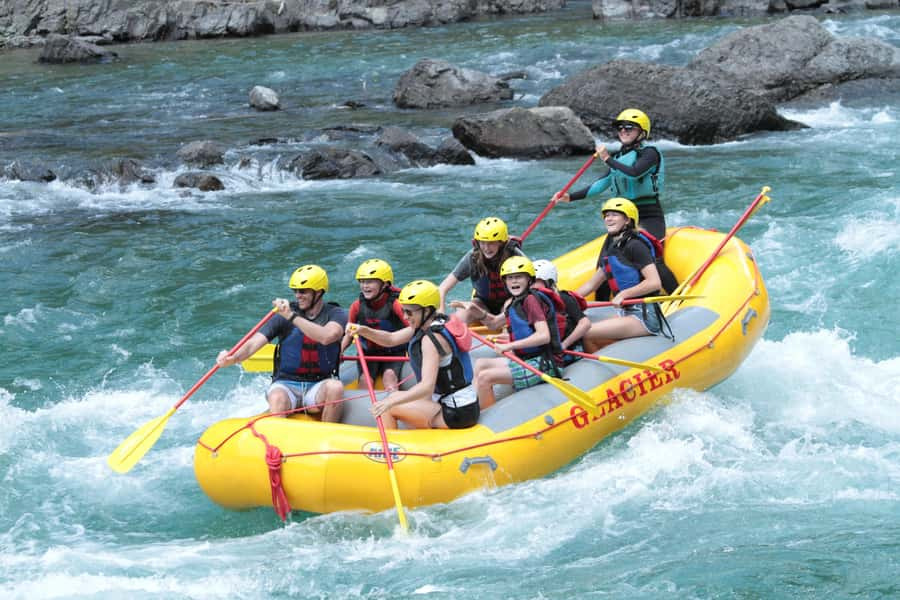
Review · WEST GLACIER RAFTING TOURS
Montana: Glacier National Park Whitewater Rafting Trip
The best part of this Glacier National Park rafting trip is the change of pace. You start with a gentle 4-mile float on the Middle Fork Flathead River, then work through nine Class II and III rapids in John F. Stevens Canyon. I like the easy progression for first-timers and families, and I like that the guides add river ecology, geology, flora, and wildlife to the ride. The scenic setting is the other big draw: you may swim in glacial water and float under historic Belton Bridge.
The main catch is water level. In late summer, the river can run low, making the trip more scenic than wild. That is still a fine way to see the area, but if you want the strongest rapids, book earlier in the season and accept that river conditions cannot be promised.
Key points to know before you paddle
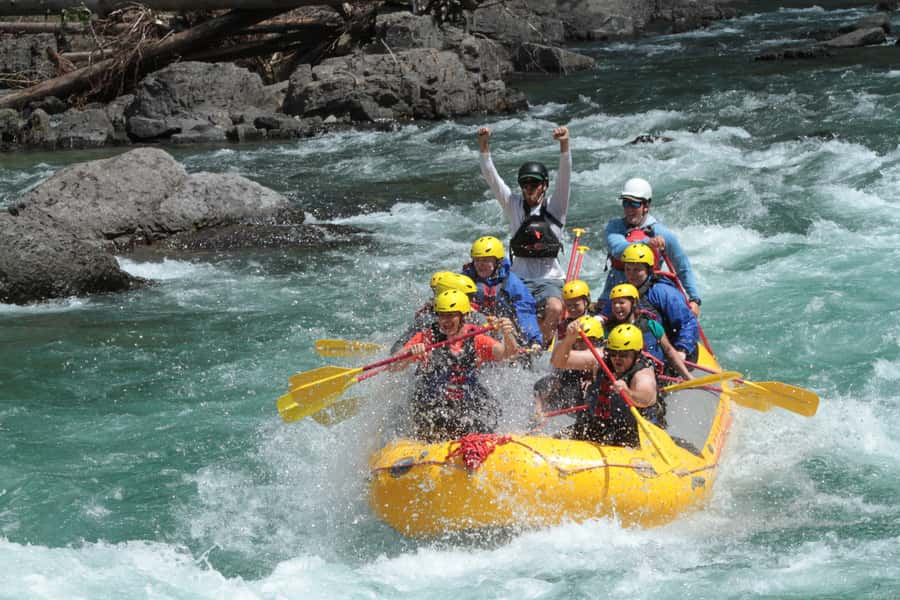
- Nine Class II and III rapids: The action arrives during the second 4 miles, after you learn paddle commands on calmer water.
- A useful half-day outing: The listed duration is 150 minutes, though changing river flow can stretch the trip from about 2.5 to 3.5 hours.
- Glacier views from the river: The route passes through John F. Stevens Canyon and under historic Belton Bridge.
- Good for first-time rafters: Guides provide safety training, simple commands, helmets, life jackets, and cold-weather gear when needed.
- Cold water is part of the fun: You may stop for a swim, but bring dry clothes and a towel.
- A convenient West Glacier base: Check in at Glacier Raft Company, take a 10-minute bus ride to the launch point, and walk back to the office at the end.
Why this stretch of the Flathead River works so well
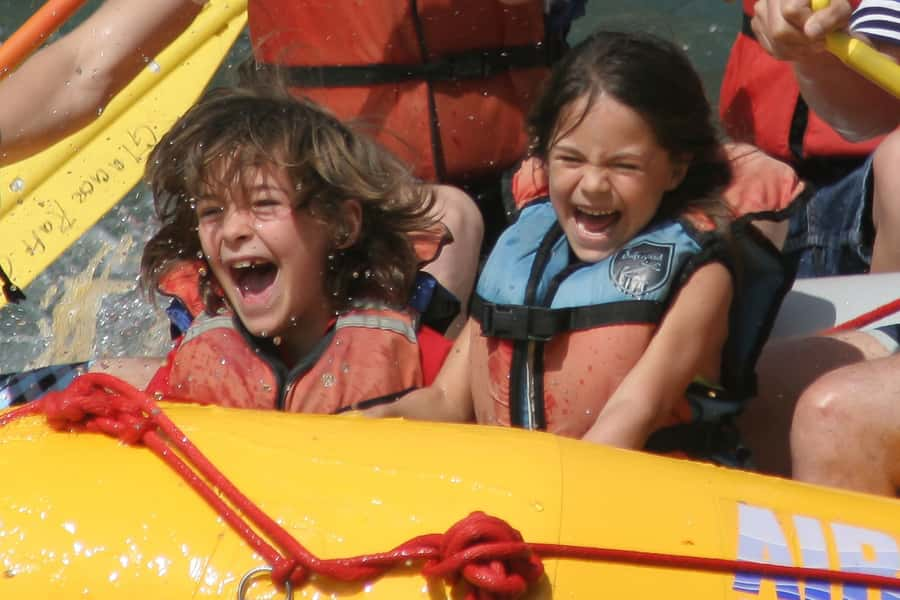
This is not a full-day expedition or an extreme whitewater run. It is a carefully paced half-day trip that gives you a taste of rafting without asking you to commit your whole day, your courage, or your dry wardrobe.
The route covers about 8 miles on the middle fork section of the Flathead River. The first 4 miles are mellow. That matters because you have time to settle into the raft, hear the guide’s commands, practice paddling, and get comfortable with your life jacket and helmet before the river becomes more active.
The second 4 miles bring the nine named Class II and III rapids. These ratings mean fun, splashy water rather than the serious technical challenge associated with higher-rated rapids. You still need to listen and paddle when told, but the trip is built for people who may be rafting for the first time.
I especially like that the quiet water is not treated as dead time. Guides point out plants, animals, river ecology, geology, and environmental concerns. The river becomes more than a conveyor belt between rapids. It gives you a different angle on the country around Glacier National Park, with the sound of moving water replacing the usual roadside view.
More White Water Rafting in the USA
- Half Day Whitewater Rafting Trip
★ 5.0 · 1,840 reviews - Half-Day Whitewater Rafting in Browns Canyon
★ 5.0 · 999 reviews - Whitewater Rafting in Jackson Hole : Family Standard Raft
★ 5.0 · 965 reviews
Checking in at West Glacier
You meet at Glacier Raft Company in the village of West Glacier, between the gas station and the Alberta Visitor Center. The location is handy if you are already spending time near the park’s west entrance. It also makes the rafting trip easy to pair with another activity in the area.
Arrive 30 minutes before departure. At the office, you check in, meet the guide team, and leave your belongings in your vehicle. You can leave your car keys at the front desk, which is simpler than trying to protect them in a wet pocket or small bag.
Do not bring a cooler, glass, alcohol, drugs, or drinks for the vehicle. Bare feet are not allowed. Wear clothes that can get dirty and closed-toe shoes. You should also pack sunscreen, water, a towel, and a full change of clothes.
The outfitter supplies helmets and life jackets. Fleece and splash jackets are available, and cold-weather gear is provided when temperatures are under 70 degrees. Wetsuits and river shoes may be available when conditions call for them. Once wetsuits are no longer required, booties or water shoes cost $7 to rent, so bring suitable footwear if you have it.
The 10-minute ride to the river
After check-in, you board a short bus ride to the launch point. It takes about 10 minutes, so this transfer does not eat much into your time on the river.
Your guide handles the launch and gives the safety briefing at the water. The briefing covers basic raft behavior, safety procedures, and the paddle commands you will use during the active section. The guides train in river rescue techniques and first aid, and many return for multiple seasons.
That experience shows in the way the trip is run. The most consistently praised part of the outing is the guide team’s mix of safety, humor, and instruction. Guides such as Maddie, Paige, Aaron, Eva, Alex, Hannah G, and McClure have been singled out for keeping people focused while making the ride relaxed. Names change by departure, of course, but the role is the same: get everyone paddling together without making beginners feel foolish.
The calm first 4 miles
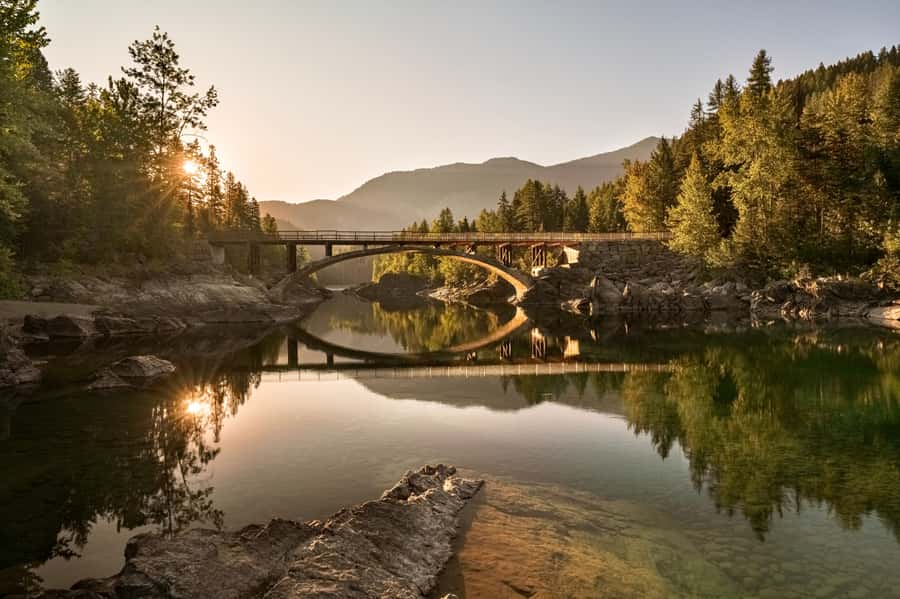
The opening stretch is where you learn the rhythm of the boat. You follow short paddle commands and find out how much effort is needed to move a raft with several people working together.
For families, this gradual start is a real advantage. Younger rafters have time to get used to the water and the guide’s voice before the raft reaches the rapids. The trip has a minimum weight requirement of 50 pounds, and children under 5 cannot participate. Pregnant women and people with mobility impairments should not book this activity.
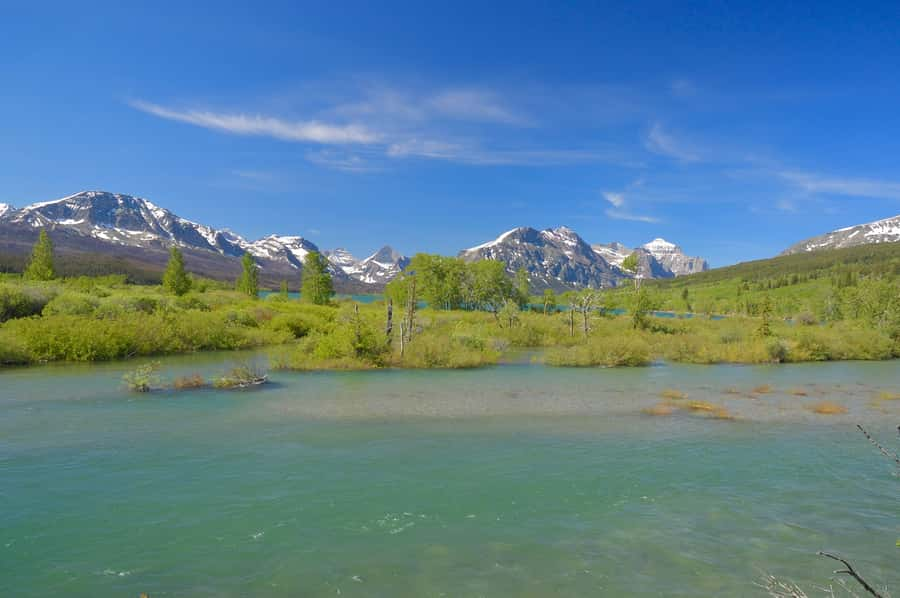
This calm section also gives you the best chance to look around. The Middle Fork Flathead River runs through John F. Stevens Canyon, with views of the wooded canyon and the surrounding country near Glacier National Park. The river itself is a major part of the scenery, with clear water and exposed rocks especially noticeable when flows are lower.
Your guide may talk about local plants, fish, birds, geology, and environmental issues. Past guide performances have included facts about the park and the river’s history, along with plenty of jokes. I would choose this trip partly for that added context. You get a better sense of the place than you would from a quick roadside stop.
Same river, a different way down:
- Maui Eco-Raft Tour: Eye-Level Whale or Dolphin Watching – Lahaina
★ 5.0 · 2,482 reviews - Na Pali Coast Half-Day Raft and Snorkel Adventure
★ 5.0 · 1,609 reviews - Kauai: Na Pali Coast Super Raft Snorkel Adventure
★ 5.0 · 1,530 reviews - Upper Pigeon River Rafting Trip from Hartford
★ 5.0 · 1,444 reviews
Nine rapids in the second half
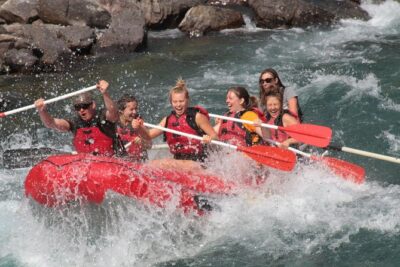
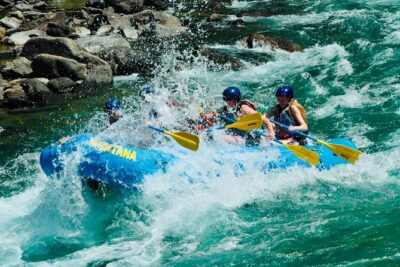
Once you reach the second 4 miles, the trip changes from a scenic float to an active paddle. The Class II and III rapids create plenty of spray and require you to follow commands promptly.
The ratings are important when you compare this trip with other Montana rafting options. Class II and III water is exciting enough to feel like an adventure, but it is not marketed as extreme whitewater. First-time rafters can join in, and experienced paddlers may find it entertaining without being exhausting.
The water level affects the personality of the ride. Higher water can make the rapids faster and more exciting. Lower water may reduce the force of the whitewater and create a slower, more scenic trip. Several departures in August and September have had lower water, while an earlier July trip with higher water was described as more exciting.
That means you should set your expectations correctly. The company promises the route and the rapids, but nature controls their speed and shape. If your priority is the strongest possible whitewater, aim for June through early July. If you are happy to trade some force for a longer, calmer look at the river, later summer can work well.
Photographs are taken at the rapid called Bonecrusher. This gives you a chance to purchase a record of the moment, though the supplied trip details do not state the photo price. You should protect anything you bring from spray and leave valuable items behind.
Glacial water, Belton Bridge, and the final walk
The raft may stop so you can jump into the river for a swim. This is optional, and the water is glacial, so do not expect a warm, leisurely bath. I would treat it as a quick, memorable dip rather than a main part of the trip.
Near the end, you float beneath historic Belton Bridge. It is one of those small details that helps the route feel connected to the area rather than like a sealed-off amusement ride. You are still on an active river, but you also get a sense of the local transportation and settlement story.
After leaving the raft, you walk about 10 minutes back to the Glacier Raft Company office in West Glacier. You will want that change of clothes by then. Even if you avoid the optional swim, spray, wind, and river water can leave you damp.
The trip runs rain or shine. Weather can change the feel of the ride, so bring layers and expect wind on the water. One useful piece of advice is to dress warmer than you think you need. A sunny day at the office can feel quite different once you are moving down a cold river.
What the $90 price gets you
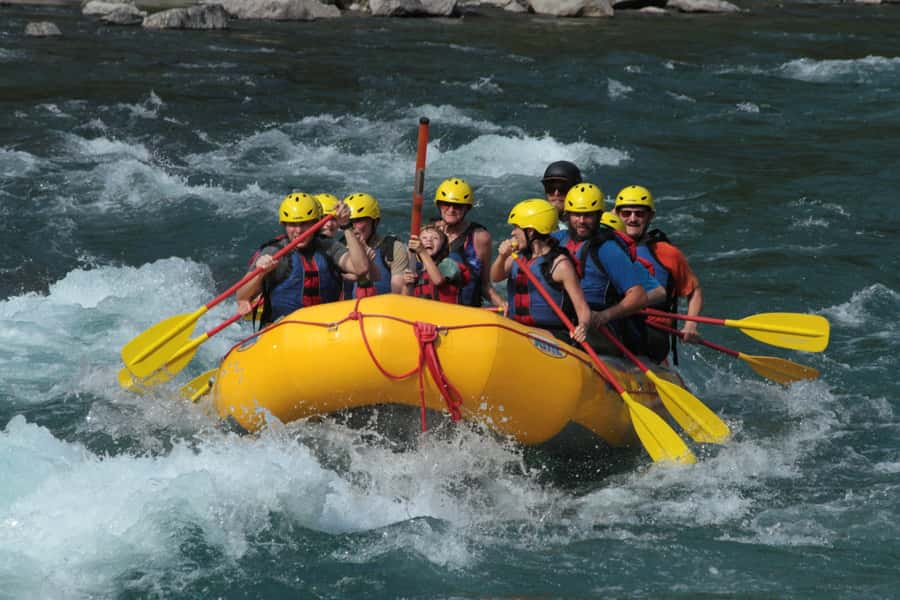
At $90 per person, this is a fair price for a guided half-day adventure near Glacier National Park. You are paying for a professional guide, transportation to the river, safety equipment, instruction, and roughly 8 miles of river time. The guide’s ability to manage the raft and explain the natural setting is a large part of the value.
You do not need to organize a shuttle, rent a raft, or buy a helmet and life jacket. The 10-minute bus transfer also keeps the logistics simple. For a family or a group with mixed experience, that convenience can be worth as much as the rapids.
Food and drinks are not included. This is not a full-day outing with a riverside lunch, so eat beforehand and carry water as allowed by the operator. You should also budget $7 if you need water shoes or booties. Splash jackets and fleece are available at no extra cost, and cold-weather gear is provided when temperatures are under 70 degrees.
The listed duration is 150 minutes, but river flow changes the schedule. From June through early July, expect about 2.5 hours. From mid-July through early August, it can take about 3 hours. From mid-August to the end of the season, the trip may run about 3.5 hours. Leave extra time if you have a dinner booking or another timed activity.
Who will enjoy this rafting trip most
I would recommend this outing to first-time rafters, families with children old enough to meet the requirements, and anyone who wants outdoor excitement without giving up an entire day. The quiet opening section helps beginners find their footing, while the nine rapids give the ride enough energy to feel worthwhile.
It also suits people who care about the setting as much as the splash. The guide commentary covers river ecology, wildlife, plants, geology, and environmental concerns. You might even spot a black bear along the shore, as one departure did, but wildlife is never guaranteed and should be treated as a bonus.
Strong paddlers looking for intense whitewater should be more selective. Class II and III rapids will not match a technical rafting trip, and late-season low water can make the experience mostly scenic. I would choose an earlier departure for more action, while accepting that water conditions remain outside anyone’s control.
This is not a good fit if you dislike cold water, cannot manage a short walk, or need a highly predictable schedule. It is also not suitable for children under 5, pregnant women, or people with mobility impairments.
Practical booking advice for West Glacier
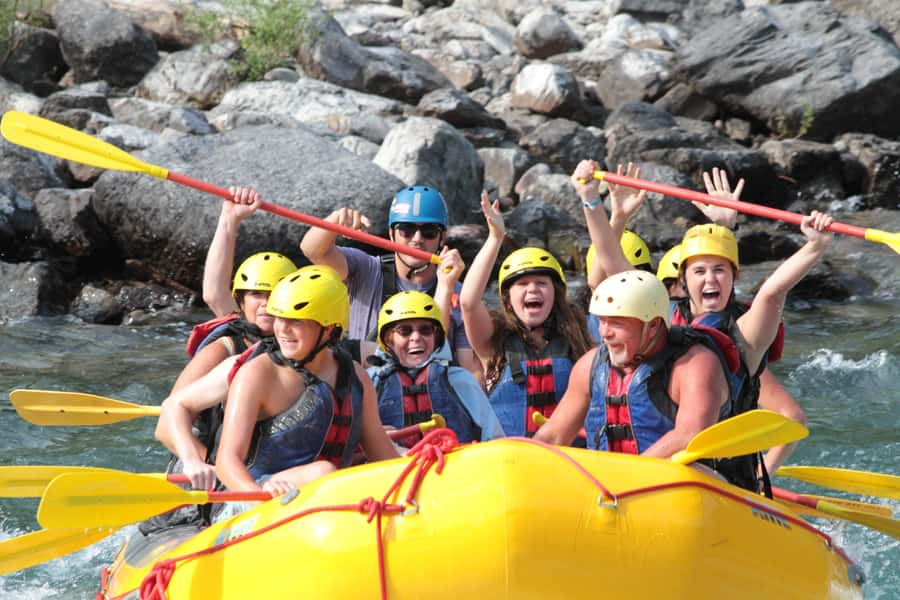
You can cancel up to 24 hours before the trip for a full refund, and a reserve-now, pay-later option keeps your plans flexible. Check the available starting times before booking, especially if you are arranging a park day around the rafting.
English is the tour language. The meeting point is easy to find, but give yourself enough time to park, check in, and change into clothes suitable for the water. Keep your car keys with the front desk rather than taking them on the raft.
Bring:
- A swimsuit or clothes that can get wet and dirty
- A warm change of clothes
- A towel
- Sunscreen
- Water
- Closed-toe shoes
- Cash for possible footwear rental
Avoid bringing anything fragile or valuable. Glass, coolers, alcohol, and loose items do not belong on the bus or raft.
Should you book the Glacier rafting trip?
Book it if you want a friendly, well-run introduction to Montana whitewater with nine manageable rapids, strong scenery, and guides who make room for both safety instruction and local facts. The calm opening miles are especially helpful if nobody in your group has rafted before.
Think twice if you want guaranteed high water or a long, hard whitewater challenge. The river may be mellow in late summer, but that can also give you a longer scenic ride and more time to appreciate the canyon. For most families and first-timers near West Glacier, the combination of price, setting, and easy logistics makes this a solid choice.
FAQ
Where does the Glacier National Park rafting trip begin?
You meet at Glacier Raft Company in West Glacier, between the gas station and the Alberta Visitor Center.
How long does the rafting trip take?
The listed duration is 150 minutes. Actual river time can vary with water flow, from about 2.5 hours in June through early July to about 3.5 hours from mid-August through the end of the season.
How far do you raft?
The route covers about 8 miles on the middle fork section of the Flathead River, through John F. Stevens Canyon.
What class rapids are included?
The trip includes nine Class II and III rapids. The first 4 miles are mellow, and the rapids arrive during the second 4 miles.
Is this trip suitable for children?
Children must be at least 5 years old and weigh at least 50 pounds. The activity is described as family-friendly, but children should be comfortable following guide instructions.
What equipment is provided?
Helmets and life jackets are provided. Fleece, splash jackets, and cold-weather gear are available when needed. Water shoes or booties can be rented for $7.
What should I bring?
Bring a change of clothes, towel, sunscreen, water, cash, clothes that can get dirty, and closed-toe shoes. Food and drinks are not included.
More National Park Trips around the USA
- National Park Whitewater Rafting in New River Gorge WV
★ 5.0 · 513 reviews - Denali Rafting Wilderness Wave
★ 5.0 · 462 reviews - Half-Day Glacier National Park Whitewater Rafting Adventure
★ 5.0 · 390 reviews - West Glacier: Glacier National Park Scenic Raft Trip
★ 4.9 · 254 reviews
New on the river around the USA
- Half-Day Family-Friendly Moab Raft Trip★ 5.0 · 49 reviews
- Moab Full-Day White Water Rafting Tour in Westwater Canyon★ 5.0 · 74 reviews
- Cataract Canyon Rafting Adventure from Moab★ 4.5 · 85 reviews
- Fisher Towers Rafting Full-Day Trip from Moab★ 4.5 · 102 reviews
- Riggins Idaho half-day rafting trip on the Salmon River★ 5.0 · 25 reviews
- Riggins Idaho 1-day Rafting Trip on the Salmon River★ 5.0 · 34 reviews
- Full-Day Whitewater Rafting Trip on Salmon River with Lunch★ 5.0 · 13 reviews
- 4 Hr Kennicott Glacial Lake & River Raft★ 5.0 · 9 reviews
West Glacier Rafting Tours, compared.
Half-Day Glacier National Park Whitewater Rafting Adventure
Read our review →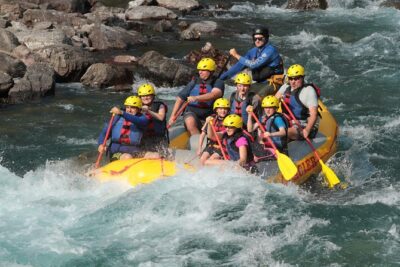
Full Day Whitewater Adventure Trip with Included Lunch
Read our review →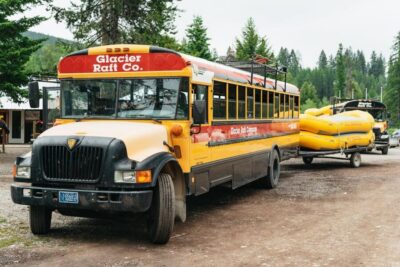
Full Day Glacier National Park Whitewater Rafting Adventure – With Lunch!
Read our review →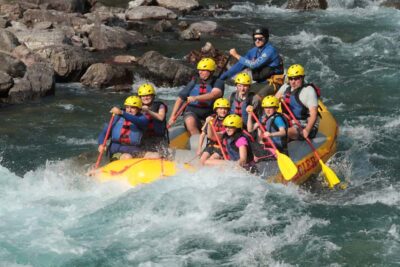
Glacier National Park: Full-Day Whitewater Rafting Trip
Read our review →Other lists with this river day