
Review · CLAYPOOL RAFTING TOURS
Raft & Camp
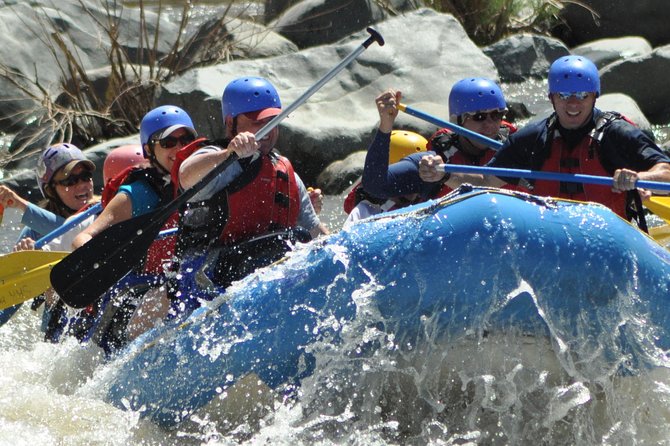
The best part of this trip is the mix of real whitewater and easy camp comfort. You spend a full day on Arizona’s Salt River, then sleep beside the river at a drive-in base camp about three miles off Highway 60. Guides handle the fire, cooking, and most of the camp work, leaving you time for stars, fishing, or a short hike.
I like the small 15-person limit, which should keep the river day personal and make camp less hectic. I also like the choice of rafting first or camping first, a useful touch if you want to arrive early and settle in before getting wet. The main drawback is simple: this is still an outdoor trip, so you need to accept basic camping, changing conditions, and a long day of activity.
Key points to know before booking
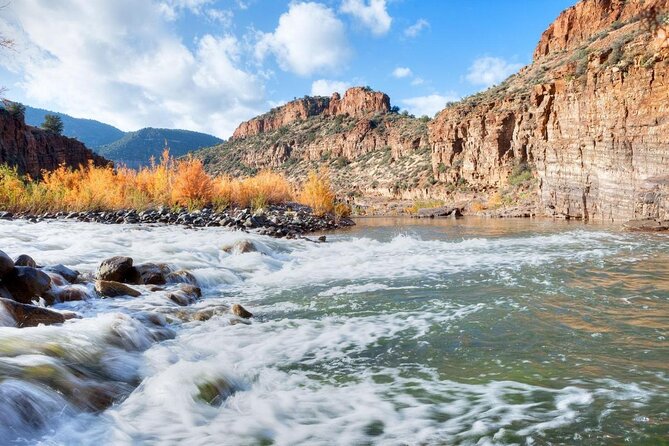
- One full rafting day: Expect a substantial day on the Salt River, with lunch grilled beside the river.
- A drive-in riverside camp: Second Campground is about three miles from Highway 60, so you do not have to carry camp gear into a remote site.
- Three meals are included: Lunch, dinner, and breakfast are prepared by the guides.
- Rafting equipment is provided: Wetsuits, life jackets, and helmets are included. Bring a swimsuit.
- Camping gear can be rented: You may bring your own setup or arrange rental equipment.
- Small-group format: The listed maximum is 15 people, and the meeting point is Salt River Bridge near San Carlos at 10 a.m.
A full day on Arizona’s Salt River
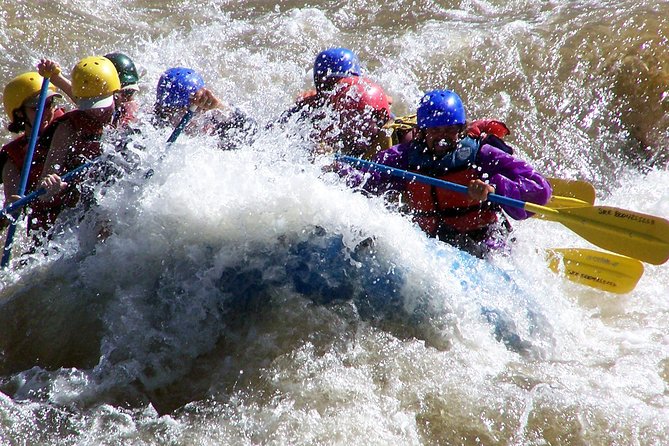
This is not a quick rafting sampler. The plan gives you a full day on the Salt River, followed by one night at a riverside camp. That makes the trip feel more like a compact outdoor expedition than a simple half-day activity.
You meet at Salt River Bridge in San Carlos at 10 a.m. The exact river pace can change with conditions, but you should plan on being occupied for much of the day. The included equipment covers the key safety items: wetsuit, life jacket, and helmet. You show up in a swimsuit, then the outfitter handles the specialized rafting gear.
The Salt River Canyon supplies the setting, but the river itself is the main event. You will be moving through whitewater, working with your boat group, and listening closely to your professional guide. The experience is active rather than passive. Even with a skilled guide managing safety, you should be ready to paddle, brace, and stay alert.
I appreciate that the trip does not stop at the riverbank when the rafting ends. Lunch is grilled riverside during the rafting day, then dinner comes later around camp. That rhythm gives the day a satisfying shape: water, food, campfire, and a night outdoors.
More rafting trips around the USA:
- Maui Eco-Raft Tour: Eye-Level Whale or Dolphin Watching – Lahaina
★ 5.0 · 2,482 reviews - Half Day Whitewater Rafting Trip
★ 5.0 · 1,840 reviews - Na Pali Coast Half-Day Raft and Snorkel Adventure
★ 5.0 · 1,609 reviews
The choice between rafting first and camping first
You can choose between two formats: raft and camp that night, or camp first and raft the next day. That choice matters more than it may seem.
If you raft first, you get the major physical activity out of the way. Afterward, you can clean up, eat dinner, and settle into camp without needing to wake up for the river the next morning. This option suits you if the rafting is the clear focus of your trip and you want a relaxed evening afterward.
Camping first may work better if you want to arrive, set up, and enjoy the river base before your rafting day. It also gives you a calmer start to the outdoor portion of the trip. The supplied details do not specify a separate arrival time for the camp-first option, so confirm the timing when you book.
The flexibility is useful for families, small groups, and anyone arranging a wider Arizona road trip. Still, the experience is listed as about one day and 12 hours, so do not treat the two choices as a way to shorten the commitment. You are signing up for a substantial outdoor outing either way.
Second Campground: comfort without pretending it is a resort
The overnight base is a drive-in campsite at Second Campground, about three miles off Highway 60. It is open to the public in a state-park-like way, so this is not a private wilderness camp reserved only for your group.
That drive-in setup is a major practical advantage. You can reach the site by vehicle instead of carrying every item over a long trail. It also makes the trip easier for people who enjoy the river but do not want a fully remote, pack-in camping experience.
The camp is described as being beside the river, with time for fishing, hiking, and watching the stars. Those details matter because the evening is not just a place to sleep. You have room to slow down after the rafting day and enjoy the setting at your own speed.
Still, you should keep your expectations in the right place. Drive-in does not mean polished hotel service. You are still sleeping outdoors, and rental camping equipment is available rather than automatically included. If you own suitable gear, bringing it may be the most familiar option. If you do not, ask what the rental package contains before arrival.
Meals and the value of having guides run camp
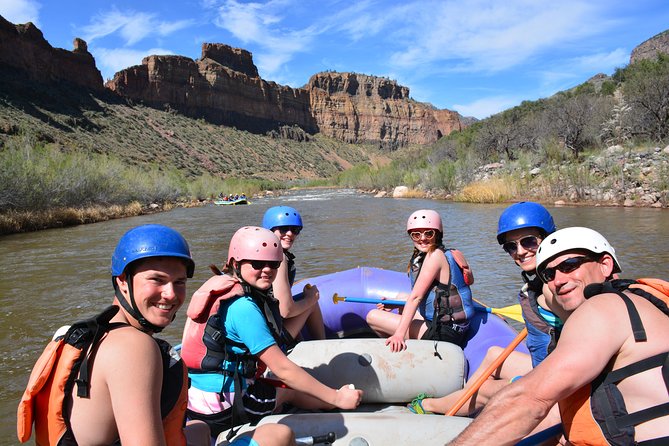
The price includes lunch, dinner, and breakfast. Lunch is served riverside and grilled during the raft day. Dinner and breakfast are prepared at camp, with the guides building the campfire and doing the cooking.
This is one of the strongest practical features of the package. Camping costs can rise quickly once you add food, fuel, cooking equipment, and the time needed to prepare meals. Here, the guides take care of much of that work, so you can spend the evening fishing, hiking, or sitting near the fire.
The arrangement also helps if your group has mixed camping experience. Someone who knows little about camp cooking can still take part without turning dinner into a project. The guides are presented as safety-focused professionals who also handle the camp duties, a useful combination on a trip that joins rafting with an overnight stay.
Dietary concerns can be met upon request. You should raise those needs before the trip rather than waiting until camp. The available information does not list sample menus, so ask about specific dietary requirements and what the meals will include if food is a key concern.
Same river, a different way down:
- Kauai: Na Pali Coast Super Raft Snorkel Adventure
★ 5.0 · 1,530 reviews - Upper Pigeon River Rafting Trip from Hartford
★ 5.0 · 1,444 reviews - Maui: Ultimate Whale Watch from Lahaina
★ 5.0 · 1,162 reviews - Half-Day Whitewater Rafting in Browns Canyon
★ 5.0 · 999 reviews
What the $340.20 price really covers
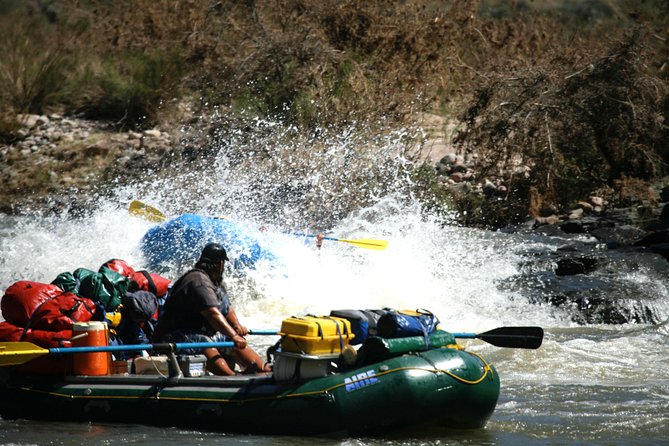
At $340.20 per person, this is not the cheapest way to spend a day outdoors. It is also not just the price of a raft seat.
You are paying for a full rafting day, professional guiding, wetsuit, life jacket, helmet, riverside lunch, camp dinner, breakfast, and an overnight riverside stay. You also get the labor of building the fire and preparing meals. Camping gear can be rented, which may save you from buying or transporting equipment for a one-night trip.
The value is strongest if you would otherwise need to arrange several separate pieces: a rafting outfitter, a campsite, meals, fire supplies, and camping equipment. The value is weaker if you already own a complete camp setup, prefer to cook for yourself, or want only a short rafting session.
Gratuity is not included. Set aside extra money if the guides provide the safety, river instruction, and camp support you expect. The cancellation terms are forgiving if your plans change: you can receive a full refund by canceling at least 24 hours before the 10 a.m. start. Changes or cancellations inside that window are not accepted for a refund.
Group size, safety, and the feel of the day
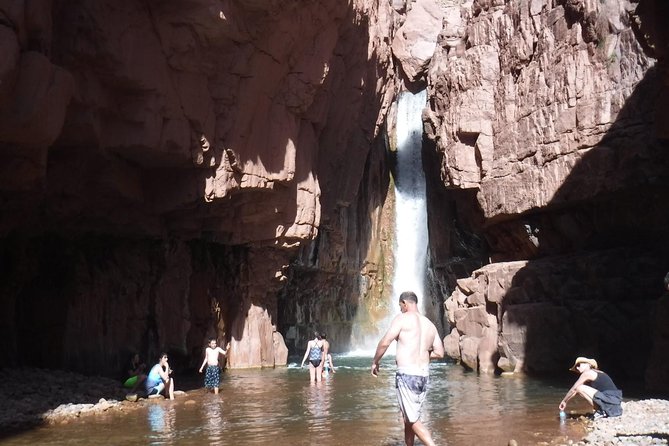
The maximum group size is 15 people. That is small enough to make a difference, especially around camp. You are less likely to feel lost in a large commercial operation, and the guide team can give clearer attention to the group.
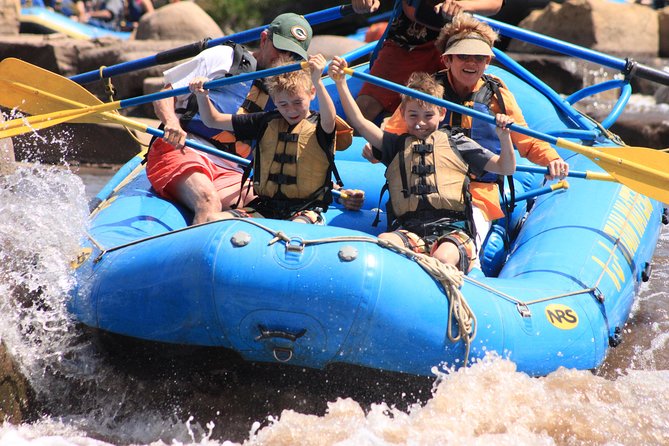
A small group does not make the river effortless. Whitewater requires attention, and you should be comfortable following instructions and wearing the required safety gear. Most people can participate, according to the supplied information, and service animals are allowed.
The professional guide is focused on safety and fun, but the available details do not name the individual guide assigned to your trip. Anthony is named in a Salt River Rafting response connected with repeat visits and the Salt River Wilderness, but you should not assume he will personally lead your departure.
The trip has also worked for repeat family outings and organized groups. A father and daughter have returned for multiple Salt River trips, and a large Scout outing was praised for its food, staff, and memorable group experience. The current listed limit of 15 means you should rely on the present booking details rather than assume a large group can join under one reservation.
The Salt River Wilderness connection
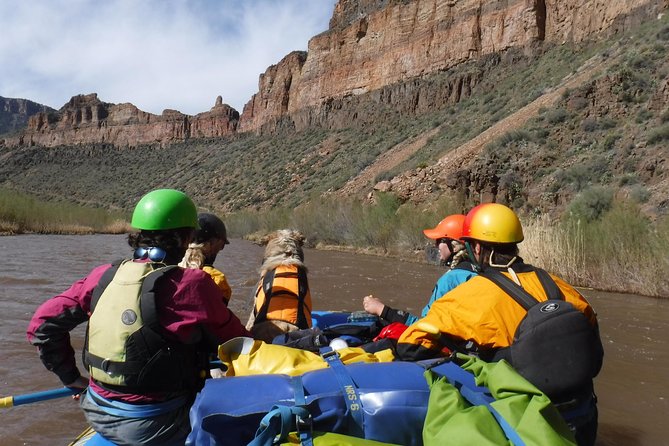
The Salt River Canyon is more than a backdrop for the rafting. The outfitter’s own description connects the route with the federally protected Salt River Wilderness. That helps explain why the setting feels more remote than the short drive from Highway 60 might suggest.
You should expect broad natural surroundings, river sounds, and dark skies at camp, but the supplied information does not promise a particular rapid, animal sighting, fishing result, or hiking route. Those details can vary, and it is better to enjoy the river as it comes than to book with a fixed checklist of sights.
The evening stars are a real part of the appeal. Once dinner is finished and the fire is going, you can choose a quiet night beside the river instead of returning to town. For people who want an outdoor experience without carrying food and gear through a backcountry route, that balance is hard to beat.
What to bring and what to clarify
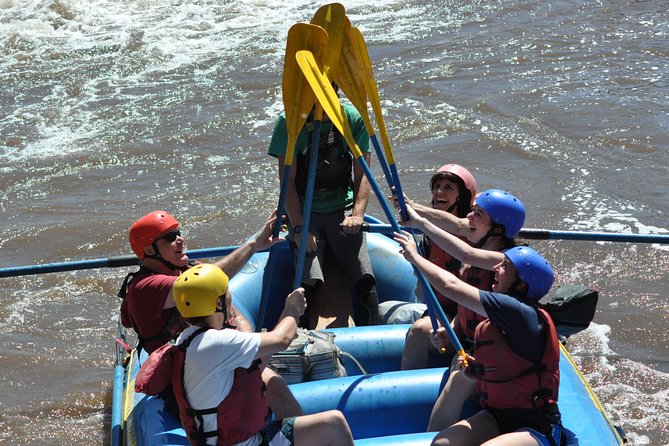
The outfitter asks you to show up in a swimsuit, and wetsuits, life jackets, and helmets are provided. You still need to think about the overnight portion, since camping equipment is available to rent but is not included automatically.
Before booking, clarify:
- Which camping items are included in the rental package
- What personal clothing and bedding you should bring
- The timing for the camp-first option
- How dietary requests should be submitted
- What happens if river conditions affect the schedule
The trip ends back at the starting meeting point at Salt River Bridge. That is useful if you are planning transport, but you should allow the full listed duration rather than scheduling a tight connection afterward.
Because the camp is drive-in, you have more freedom with what you pack than on a carry-in trip. Even so, avoid bringing more than you need. Wet river clothing, overnight items, and outdoor shoes can quickly fill a vehicle.
Who will enjoy this trip most
I would recommend this to you if you want a serious day of rafting but do not want to organize an entire camping program yourself. It works especially well for couples, families with older children, repeat river fans, and small groups looking for a shared outdoor challenge.
It also suits you if meals and camp chores are part of the appeal rather than an inconvenience. Guides cook all three meals, but you still get the feeling of sleeping beside the river and gathering around a fire.
I would think twice if you want a hotel bed, a short activity, or a highly predictable schedule. The trip involves whitewater, an overnight stay, and outdoor conditions. The price also makes more sense when you use the included food, gear, guiding, and camp support.
Should you book Raft & Camp?
Book it if you want the Salt River Canyon in two forms: active and quiet. You get the rush of a full rafting day, then a simple riverside evening with a campfire, cooked food, and stars overhead.
The strongest reasons to choose it are the small group limit, the three included meals, the drive-in camp, and the choice of rafting before or after the overnight stay. The key caution is that the $340.20 price buys convenience, not luxury. You still need to be ready for outdoor sleeping, a demanding river day, and careful planning around rental gear.
If that sounds like the right level of comfort and adventure, this is a well-shaped one-night Salt River experience. If you want either pure wilderness camping or a quick rafting outing, choose a more specialized trip instead.
FAQ
Where does the rafting and camping trip begin?
It begins at Salt River Bridge in San Carlos, Arizona, at 10 a.m. The activity ends back at the meeting point.
How long does the experience last?
The listed duration is approximately one day and 12 hours.
What meals are included?
Lunch, dinner, and breakfast are included. Lunch is served riverside, while dinner and breakfast are prepared at camp.
Is rafting equipment provided?
Yes. Wetsuits, life jackets, and helmets are included. You should arrive in a swimsuit.
Can I rent camping equipment?
Yes. Camping gear is available to rent. The supplied details do not specify which items are included in the rental, so confirm the package before booking.
How many people can join the trip?
The listed maximum is 15 people. You can choose to raft and camp that night, or camp first and raft the next day.
New on the river around the USA
- Half-Day Family-Friendly Moab Raft Trip★ 5.0 · 49 reviews
- Moab Full-Day White Water Rafting Tour in Westwater Canyon★ 5.0 · 74 reviews
- Cataract Canyon Rafting Adventure from Moab★ 4.5 · 85 reviews
- Fisher Towers Rafting Full-Day Trip from Moab★ 4.5 · 102 reviews
- Riggins Idaho half-day rafting trip on the Salmon River★ 5.0 · 25 reviews
- Riggins Idaho 1-day Rafting Trip on the Salmon River★ 5.0 · 34 reviews
- Full-Day Whitewater Rafting Trip on Salmon River with Lunch★ 5.0 · 13 reviews
- 4 Hr Kennicott Glacial Lake & River Raft★ 5.0 · 9 reviews
Claypool Rafting Tours, compared.
Salt River Whitewater Rafting — Full Day with Lunch
Read our review →
Salt River Whitewater Rafting — Full Day Express Trip
Read our review →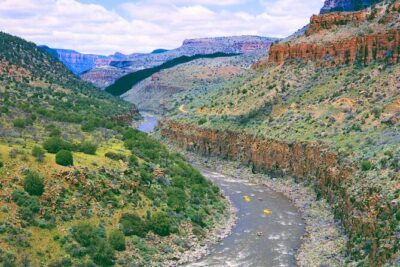
Salt River Half-Day Whitewater Rafting Adventure
Read our review →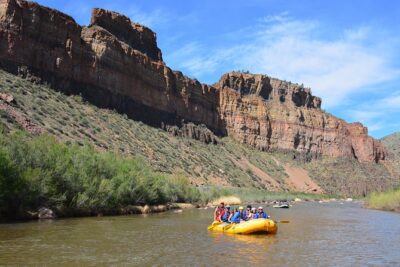
Other lists with this river day