
Review · USA RAFTING TOURS
Terlingua: Rio Grande Full-Day Guided Raft/Kayak/Canoe Trip
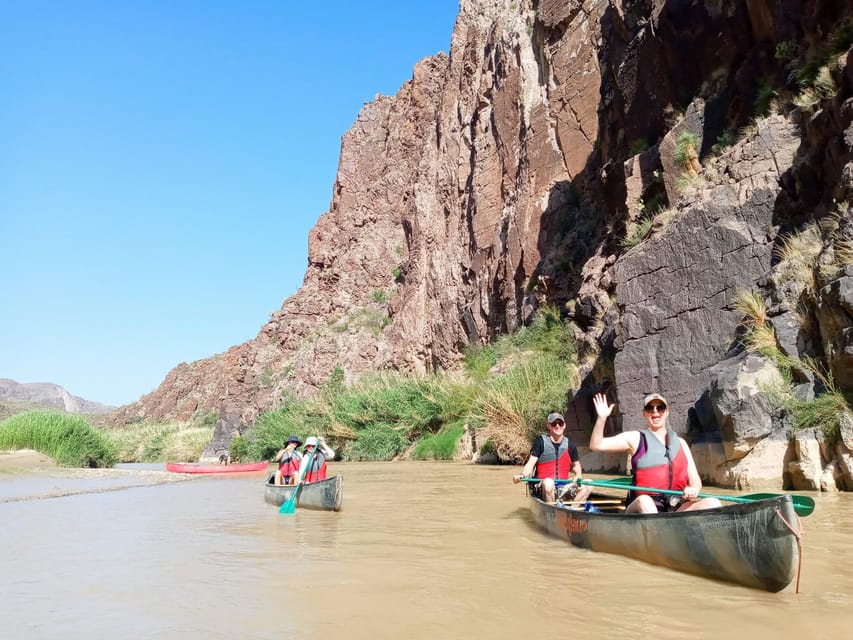
The best part of this Rio Grande trip is its setting: you float between Texas and Mexico, with canyon walls rising around you and Big Bend scenery unfolding at river level. The water is usually gentle, but Class I rapids give you a little work to do without turning the day into a white-knuckle contest.
I like the choice of raft, canoe, or kayak, and I like that the guides teach paddling instead of simply hauling you downstream. The main consideration is that water levels control the route, so you may not know your exact canyon until close to departure. There is also little current, meaning some sections require steady paddling.
Key points at a glance
- Several craft choices: Use a raft if you are new to river trips, or choose a canoe or kayak when water levels allow.
- Three possible river routes: High water can bring Santa Elena or Colorado Canyon, medium water may lead to Hot Springs Canyon, and low water can mean the Upper Canyons or a Santa Elena boomerang route.
- A full seven-hour outing: The day includes about two hours of van travel, three and a half hours on the water, and a one-hour lunch break.
- A true border setting: You float along the Rio Grande with Mexico on the opposite bank.
- Personal instruction: Guides help you build or improve your paddling skills while explaining the area.
- Useful gear is included: River equipment, dry bags, a lunch cooler, and refillable ice water are provided.
Starting in Terlingua and heading for the river
Your day begins at the Big Bend Boating and Hiking Company office at 53570 TX-118 in Terlingua. Look for the black building with an orange sign out front. From there, you ride in a van for about an hour to reach the river.
That drive is a real part of the experience, not just a transfer to forget. It gets you away from town and into the broad, rugged country around Big Bend. Still, you should count on roughly two hours of the seven-hour day being spent in the van, one hour each way. If you prefer a quick activity with maximum time on the water, this is not that kind of trip.
The company supplies the necessary river gear, so you do not need to arrive with a boat or technical equipment. A cooler is available for your packed lunch, and ice water is provided for refilling your reusable bottle. Dry bags protect personal belongings, with a separate dry bag available for cameras.
You should still bring the items that make a day outside easier: sunscreen, a hat, snacks, sturdy footwear, comfortable clothes, and a reusable water bottle. Pack layers if the day may be cool, and add rain gear when the forecast calls for it. Your clothes and shoes should be ones you are happy to get wet.
More Full-Day Rafting Trips in the USA
- Browns Canyon Full Day Rafting Adventure
★ 5.0 · 825 reviews - Full Day Whitewater Adventure Trip with Included Lunch
★ 5.0 · 312 reviews - Moab Full Day Rafting Trip with Lunch — Colorado River
★ 5.0 · 205 reviews
Choosing between raft, canoe, and kayak
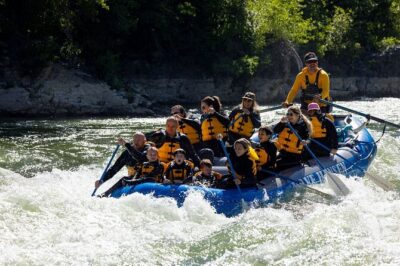
The boat choice depends partly on water levels. At higher water, the trip may use a raft. A raft is the easiest option for first-timers because the group shares the work and the boat offers a stable way to see the river.
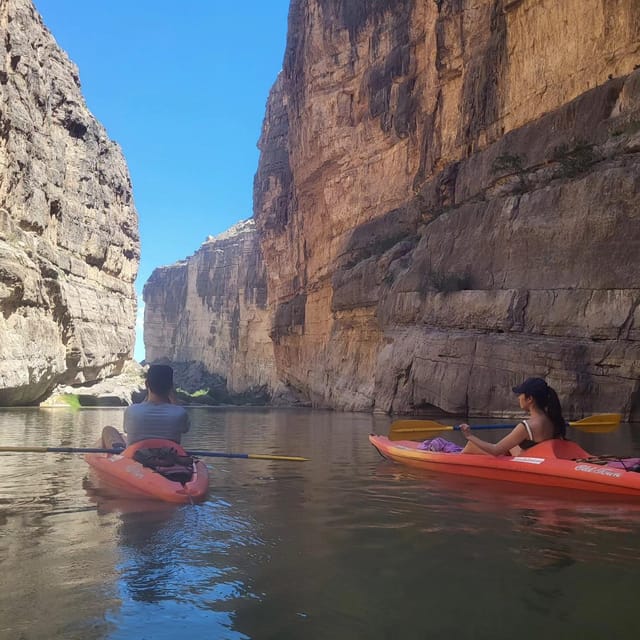
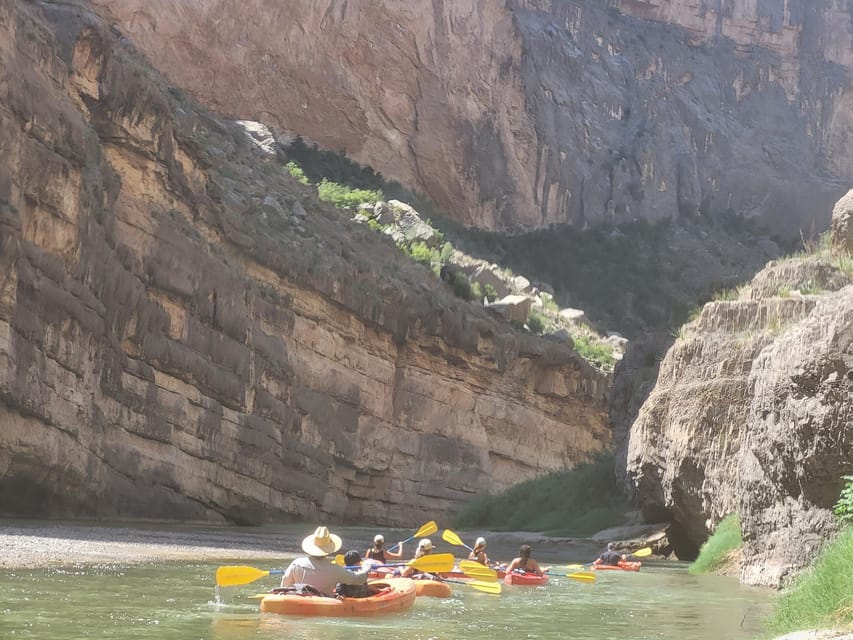
At lower water levels, you may use a canoe or kayak. Canoes hold two paddlers, with room for a smaller child in the middle. Kayaks may be single or tandem, and can be sit-in or sit-on-top models. That gives you more control and more paddling, but it also means you need to take an active role in moving the boat.
I would choose the raft if your main goal is scenery and conversation. Pick a canoe or kayak if you want to practice strokes, help steer, and feel more involved in the river. The guide can help you learn, but this is still an outdoor activity, not a passive sightseeing cruise.
The supplied information says the river has not much current. That matters. Class I rapids are mild, but a slow river can require more paddling than you expect. If you have back problems, this trip is not a good match. Non-swimmers should not attend.
What the changing water levels mean
This trip has no single fixed river route. The Rio Grande changes with water levels, and the guide selects the practical route for the conditions.
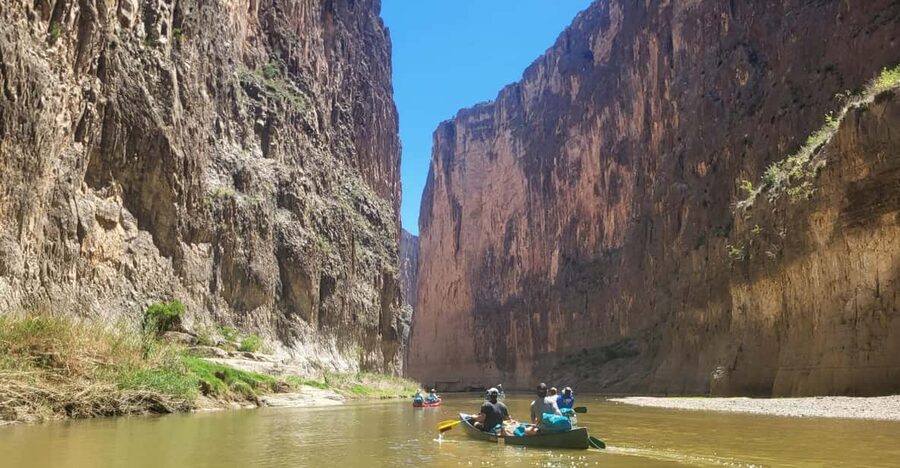
With high water, the route may pass through Santa Elena Canyon or Colorado Canyon. These are the more dramatic possibilities, with the river moving through major canyon scenery. High water can make the day feel more like a classic river run, though the exact canyon is not guaranteed.
At medium water, the trip may go through Hot Springs Canyon. A stop to soak in the hot springs is part of that option, adding a restful break to the paddling. You can contact the company a few days before your trip to ask which canyon is likely.
At low water, the group may use the Upper Canyons downstream or take a Santa Elena Canyon boomerang route. On the boomerang trip, you paddle upstream, stop for lunch, and then float back down. That format makes the lack of current especially important. You should expect a workout, particularly on the upstream section.
This flexibility is useful, but it also calls for realistic expectations. Book this for a day on the Rio Grande, rather than for one specific named canyon. If Santa Elena Canyon is your only reason for going, check conditions close to the date and understand that river levels remain the deciding factor.
Three and a half hours on the Rio Grande
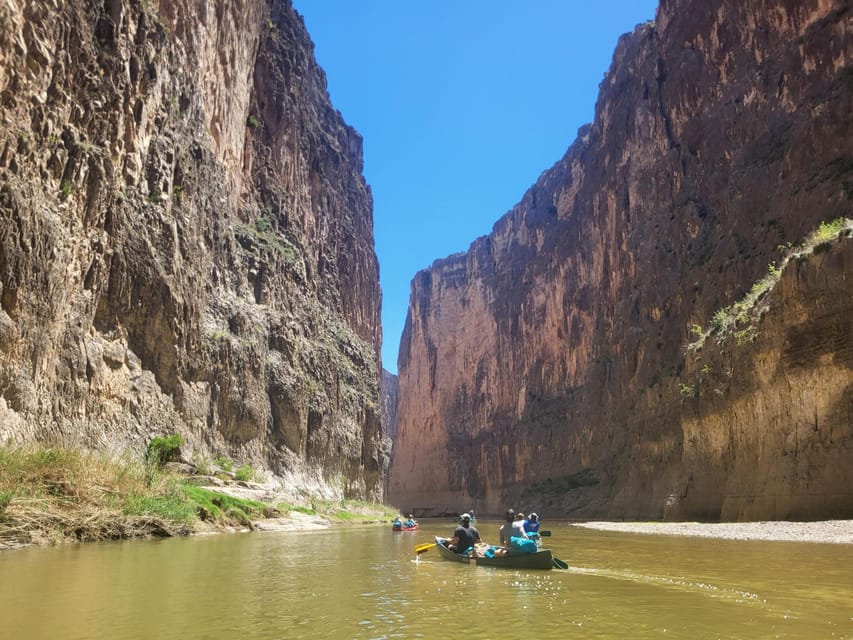
The scheduled water time is split into about two hours of canoeing or kayaking before lunch and another hour and a half afterward. That is enough time to learn the basics, settle into your boat, and get a real sense of the river without committing to an all-day paddle.
Your guide helps you navigate the Class I rapids and improve your technique. For a first-time paddler, that instruction can make the day feel far less uncertain. For someone with experience, it provides a chance to work on steering and river awareness in a mild setting.
The scenery is the main reward. You see the canyon walls from the water, where the scale feels different than it does from a road or trail. You also get a clear sense of the international border, with the Rio Grande forming the dividing line between Texas and Mexico.
Bring a camera, but protect it. A dry bag is available for cameras, and you should use it when you are not taking pictures. The company encourages photographs during the trip, but wet clothes and wet equipment are part of the day, so a phone should not ride loose in your pocket.
Same river, a different way down:
- Maui Eco-Raft Tour: Eye-Level Whale or Dolphin Watching – Lahaina
★ 5.0 · 2,482 reviews - Half Day Whitewater Rafting Trip
★ 5.0 · 1,840 reviews - Na Pali Coast Half-Day Raft and Snorkel Adventure
★ 5.0 · 1,609 reviews - Kauai: Na Pali Coast Super Raft Snorkel Adventure
★ 5.0 · 1,530 reviews
The lunch break and the rhythm of the day
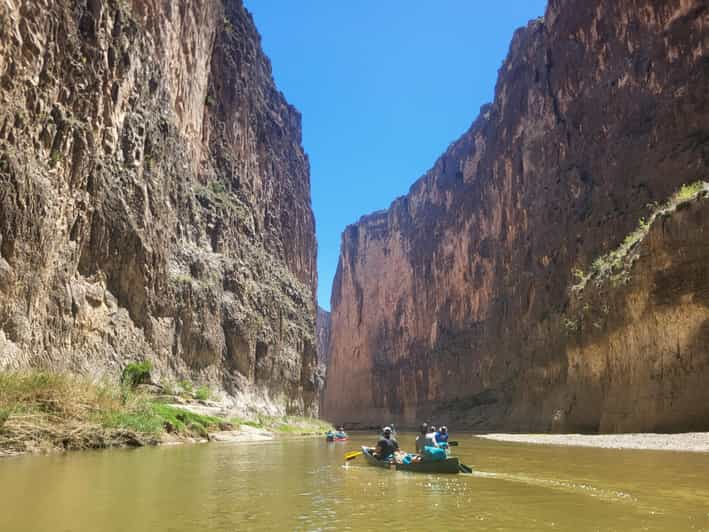
Lunch takes about an hour. You pack your own meal and place it in the provided cooler. That setup keeps the day flexible, but it also means you need to shop or prepare food before meeting the van.
The lunch stop gives your arms a rest and breaks up the paddling into manageable sections. It is also a good time to drink water, reapply sunscreen, and add or remove a layer. The desert sun can feel strong even when the air is cool, and time on the river makes hydration easy to overlook.
There is no supplied meal listed, so do not arrive expecting food to be waiting for you. Bring enough lunch and snacks for a full outdoor day. Glass objects are not allowed, so use plastic or other safe containers.
Guides who add more than boat instructions
The guide is important here because the trip is about more than getting from one river access point to another. Eric has been described as taking time with each person, explaining the park and local history, and showing clear care for the area. That points to the kind of guiding this experience aims for: practical help on the water, plus context about the place around you.
Tanner, Charlie, and Amanda are also named as guides associated with especially strong outings. Their role is not just to point out where to paddle. They help create a relaxed group atmosphere while keeping the day organized.
Guide quality can shape a river trip more than the boat itself. A calm instructor helps beginners feel capable, and an attentive guide can make the canyon scenery more meaningful. You should still remember that the experience is conducted in English, so the instruction and explanations are best suited to English speakers.
Price, park fees, and what you really receive
The cost is $160 per person. That is not a small add-on expense, but it covers a seven-hour guided outing, river equipment, dry bags, a lunch cooler, ice water, transportation from the Terlingua office, and instruction on the river.
The value is strongest if you would otherwise need to rent equipment, arrange transport, and figure out the river route yourself. The guide also removes much of the planning burden, especially when water levels determine which canyon is practical.
You must pay the national park entrance fee separately when the trip enters Big Bend National Park. An America the Beautiful Pass or a seven-day vehicle pass covers the whole group. The company may instead use Big Bend Ranch State Park, where that particular fee is not required.
Do not buy the park pass too early if you are unsure of the route. You can wait until the morning of the trip and confirm which park you will enter. That small detail can prevent you from paying for a pass you do not need.
The price feels fair for a full day with transport and equipment, but it is less attractive if you already own a boat, have your own transport, and want only a short paddle. The guided format is what makes the cost worthwhile.
What to wear for a wet desert day
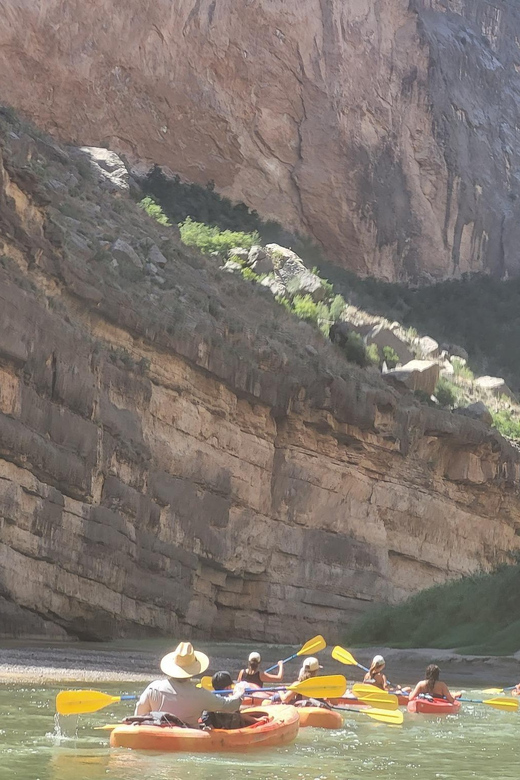
Wear water shoes, sandals that stay securely on your feet, rubber rain boots, or old tennis shoes. Flip-flops are not allowed because they can slip off in the river. Sturdy footwear matters more than fashion here.
Choose clothing you do not mind getting wet. Add layers when temperatures may change, and pack rain gear when needed. You can place extra clothing in your dry bag, which is useful after a splash or during a cooler stretch of the day.
Sunscreen, a hat, and bug spray belong in your day kit. Bring any essential medication you may need, including an EpiPen, inhaler, nitroglycerin, or insulin. Keep these items accessible and protected from water.
The trip is open to ages three and up, but age alone does not decide if it is suitable. A small child may ride in the center of a canoe, but every participant needs to be comfortable around water and able to follow the guide’s directions.
Who should book this Rio Grande trip
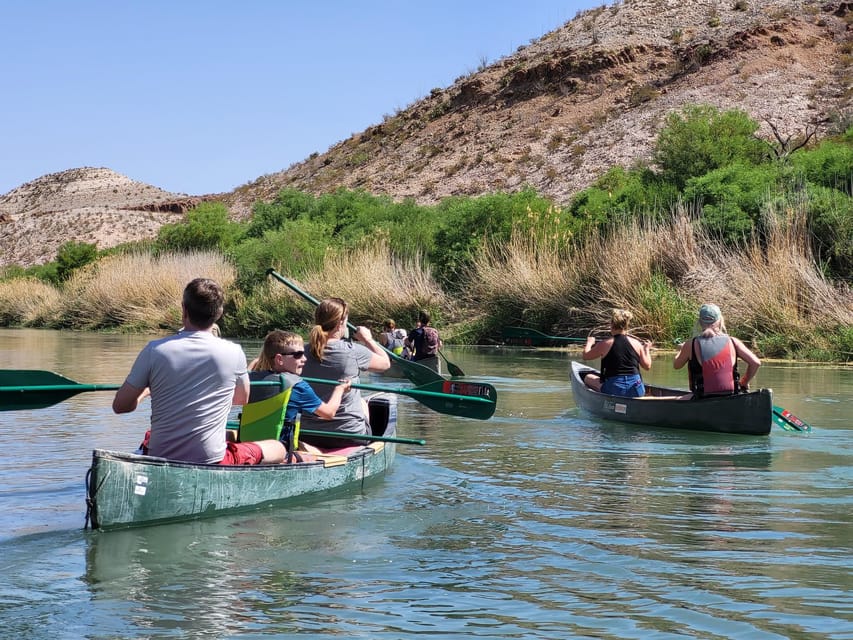
I would recommend this outing to families with older children, first-time paddlers, couples, and friends who want a scenic outdoor day without Class II or III rapids. The raft option makes it approachable, while the canoe and kayak choices give stronger paddlers a more active role.
It also suits you if you care about the setting as much as the activity. Floating along an international border, seeing the canyon walls from the river, and hearing local context from the guide create a more grounded experience than simply checking a viewpoint off a park visit.
You should think twice if you dislike wet clothing, have back problems, cannot swim, or want a fast-moving whitewater trip. The river may be slow, and lower water can mean more paddling. The route may also change from your preferred plan.
Free cancellation is available up to 24 hours before departure, and you can reserve now while paying later. That flexibility is useful when your Big Bend schedule depends on weather and park plans, though it does not remove the need to check water conditions before the trip.
Should you book the seven-hour river day?
Book it if you want a guided introduction to the Rio Grande with real scenery, mild rapids, and several boat choices. The strongest reasons are the border setting, the changing canyon routes, and guides who provide both paddling help and local context.
Before paying, call or email a few days ahead to ask about the expected canyon and water level. Pack a proper lunch, secure shoes, sun protection, and clothes that can get wet. If you are happy to let river conditions shape the day, this is a well-rounded Big Bend adventure. If you need one guaranteed canyon or want constant current, choose a different activity.
FAQ
Where does the Rio Grande trip meet?
Meet at the Big Bend Boating and Hiking Company office at 53570 TX-118 in Terlingua. The office is the black building with an orange sign out front.
How long does the experience last?
The activity lasts about seven hours. The schedule includes roughly one hour in the van to the river, two hours of canoeing, kayaking, or rafting, one hour for lunch, another hour and a half on the water, and one hour back to Terlingua.
Can I choose a raft, canoe, or kayak?
The available craft depends on water levels. Rafts suit first-timers, while canoes and kayaks are used at lower water levels. Canoes are two-person boats, and kayaks may be single or tandem, sit-in or sit-on-top models.
Which canyon will the trip visit?
The route depends on water levels. High water may bring Santa Elena or Colorado Canyon, medium water may bring Hot Springs Canyon, and low water may mean the Upper Canyons or a Santa Elena boomerang route.
Is the river difficult to paddle?
The trip includes Class I rapids, and there is generally not much current. The guide provides instruction, but low water can require steady paddling, especially on an upstream section.
What should I wear?
Wear comfortable clothes and sturdy footwear that can get wet. Water shoes, secure sandals, rubber rain boots, and old tennis shoes are suitable. Flip-flops and shoes that come off easily are not allowed.
Is lunch included?
Lunch is not provided. Bring a packed lunch and snacks. A cooler is available for your food, and ice water is provided for refilling your reusable bottle.
Do I need to pay a park entrance fee?
You must pay the national park entrance fee if the trip enters Big Bend National Park. An America the Beautiful Pass or a seven-day vehicle pass covers the whole group. If the trip uses Big Bend Ranch State Park, that fee is not required, so you can wait until the morning of the trip to confirm.
Who should not take this trip?
The experience is not suitable for people with back problems or non-swimmers. It is open to ages three and up, but all participants should be comfortable with a wet outdoor activity and able to follow the guide’s instructions.
New on the river around the USA
- Half-Day Family-Friendly Moab Raft Trip★ 5.0 · 49 reviews
- Fisher Towers Rafting Full-Day Trip from Moab★ 4.5 · 102 reviews
- Moab Full-Day White Water Rafting Tour in Westwater Canyon★ 5.0 · 74 reviews
- Cataract Canyon Rafting Adventure from Moab★ 4.5 · 85 reviews
- Riggins Idaho half-day rafting trip on the Salmon River★ 5.0 · 25 reviews
- Riggins Idaho 1-day Rafting Trip on the Salmon River★ 5.0 · 34 reviews
- Full-Day Whitewater Rafting Trip on Salmon River with Lunch★ 5.0 · 13 reviews
- 4 Hr Kennicott Glacial Lake & River Raft★ 5.0 · 9 reviews
USA Rafting Tours, compared.
Maui Eco-Raft Tour: Eye-Level Whale or Dolphin Watching – Lahaina
Read our review →
Na Pali Coast Half-Day Raft and Snorkel Adventure
Read our review →
Kauai: Na Pali Coast Super Raft Snorkel Adventure
Read our review →
Upper Pigeon River Rafting Trip from Hartford
Read our review →
Whitewater Rafting in Jackson Hole : Family Standard Raft
Read our review →Other lists with this river day