
Review · ITALY RAFTING TOURS
Urban Rafting on Rome’s Tiber River
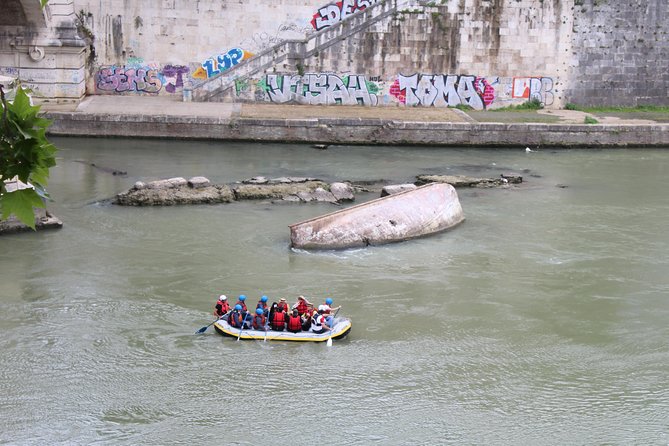
Rome’s Tiber River offers a surprising break from crowded streets and museum lines. In about two hours, you paddle beneath bridges, pass Castel Sant’Angelo and Isola Tiberina, and see central Rome from water level. The trip is mostly calm, with two beginner-friendly rapids near the end.
I like the cool change of pace on a hot day, and I like that guides such as Dario, Sebastian, Michael, Daniele, Connie, Greg, Carlos, and Mariana mix history with easygoing humor. The main caution is simple: you will get wet, and the river exit may leave you with a walk to public transportation rather than a ride back to the start.
Key points at a glance
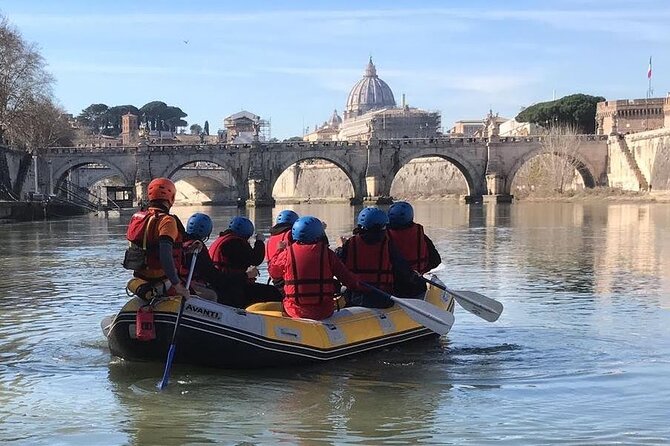
- Two gentle rapids near the end: The exciting part comes late, and it is suitable for first-time rafters.
- A different view of central Rome: You pass Castel Sant’Angelo, bridges, old river walls, and Isola Tiberina from the water.
- A calm workout before the fun: Expect paddling and floating, with roughly 90 minutes of activity inside the two-hour outing.
- Roman snack included: A typical street-food stop, often described as pizza, comes during or at the end of the trip.
- Bring sturdy shoes: Getting into and out of the raft can mean walking on uneven, slippery rocks.
- Plan your ride home: The practical drop-off point may differ from the Piazza del Popolo meeting point, and a walk to the nearest Metro station can take 15 to 20 minutes.
Why raft the Tiber in the middle of Rome?
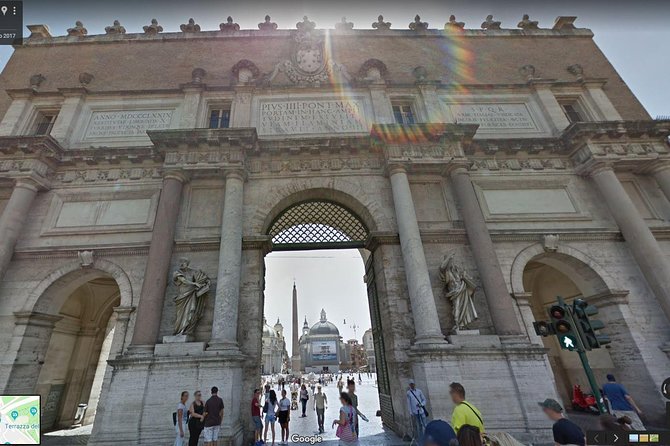
Rome is usually experienced on foot, one piazza and ancient ruin at a time. This trip changes the rhythm. You meet beneath Porta del Popolo near Piazza del Popolo, walk with the guide toward the river, then trade traffic noise for the slow movement of the Tiber.
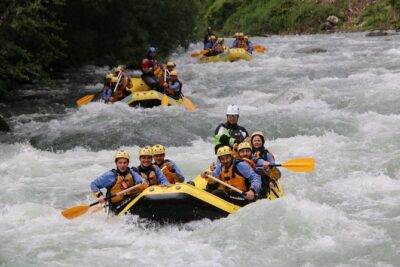
I like that the activity is not sold as a serious white-water challenge. It is closer to a guided river outing with paddling, floating, city views, and a short burst of rapids. You do not need rafting experience, and the rapids are described as level 1 or slightly above. That makes this a good choice if you want something active without committing to a full adventure sport.
The $48.39 price is fair for a two-hour experience that includes a guide, paddle, helmet, life jacket, waterproof bag, and snack. You are paying for more than the equipment. The real value is the change of setting. After a morning of churches, ruins, and hot pavement, the river gives you a quiet stretch of Rome with fewer people around you.
This is not the best choice if you want nonstop action or a close look at every major monument. Much of the river route is slow, and the sights sit above or off to the sides. Think of it as a sightseeing break with exercise, not a replacement for a Colosseum or Vatican visit.
More rafting trips around Italy:
- Rafting Family
★ 5.0 · 502 reviews - Rafting: Grand Canyon of Lao
★ 5.0 · 406 reviews - Rome: Tiber River Urban Rafting Tour with Roman Pizza
★ 4.6 · 334 reviews
Meeting beneath Porta del Popolo
The outing begins at Piazza del Popolo, specifically near Porta del Popolo. This is a sensible starting point because it is central and close to public transportation. Look for the guide at the agreed meeting point. One guide, Connie, reportedly carried an oar to make herself easier to spot, a practical touch in a busy part of town.
The first walk is part of the experience. Your guide leads you toward the river and shares small facts about Rome along the way. That gives you some context before you reach the water, rather than dropping you beside a raft with no explanation of what comes next.
Use this time to ask about the route, the final exit point, and the return journey. The formal information says the activity ends back at the meeting point, but practical accounts describe leaving the river at a different downriver location. Since that detail affects your plans, confirm it before setting off and keep your phone or transit pass accessible.
Getting onto the Tiber
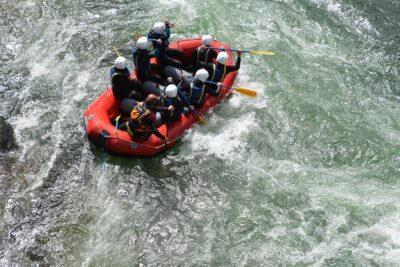
At the river, the guides provide the basic equipment: a life jacket, helmet, paddle, and waterproof bag. You receive a safety briefing and instructions on how to paddle and sit in the raft. Everyone is expected to take part, so this is not simply a boat ride where you sit back for two hours.
Getting in and out deserves more attention than the short description might suggest. The river edge can involve uneven and slippery rocks, so wear shoes with solid grip and good support. Flip-flops are a poor choice. You need enough balance and strength to climb into the raft and leave it safely.
The stated maximum weight is 100 kilograms. Most people can take part, but you should be comfortable with the physical movements involved. The trip is suitable for a range of ages and fitness levels, including older adults and teenagers, as long as they can manage the entry and exit.
The guides take safety seriously, and the equipment helps keep the activity accessible. Still, you should not treat it as completely effortless. The paddling requires a modest workout, and you remain seated along the side of the raft during the journey.
Castel Sant’Angelo from river level
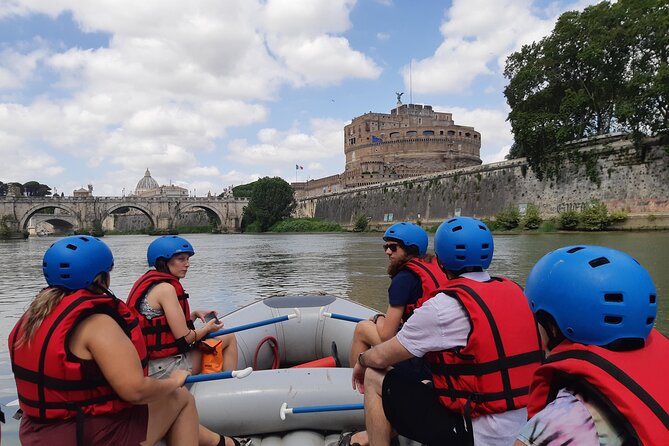
Once underway, the Tiber sets a relaxed pace. You paddle for stretches, float for others, and listen as the guide points out Rome’s past from the river. The water route offers a useful reminder that the city’s story is not limited to the buildings facing its streets.
Castel Sant’Angelo is one of the strongest visual moments. From the river, you see the fortress from a lower and less familiar angle. The guide explains what you are looking at and may pause for photographs. You will not get the same detailed visit as you would inside the castle, but the river view gives you a fresh sense of its position beside the Tiber.
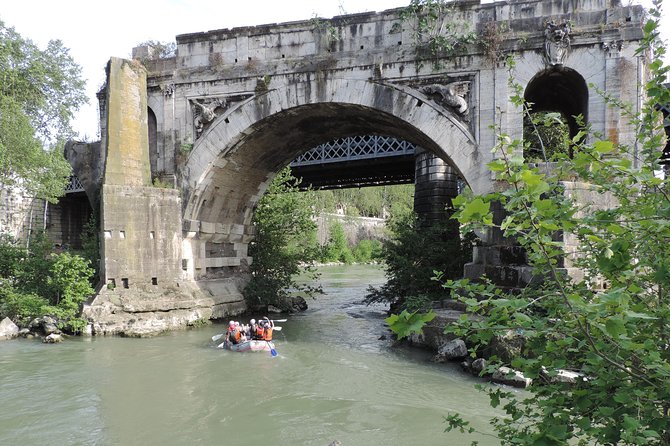
The river itself also becomes part of the lesson. Bridges, retaining walls, and old structures frame the route. The tour does not put every famous sight directly beside you, so keep your expectations sensible. You are seeing Rome in pieces, through openings between the river walls and bridges, rather than touring a continuous line of monuments.
This is where the activity earns its sightseeing value. You can take in the city without walking, queuing, or trying to hear a guide over street noise. At the same time, the slow route means you will need patience. Some stretches are quiet and visually modest.
Same river, a different way down:
- Rafting “Canyon”
★ 5.0 · 328 reviews - Rafting Extra
★ 5.0 · 323 reviews - Rafting Sesia
★ 5.0 · 304 reviews - River Rafting for Families
★ 5.0 · 290 reviews
Isola Tiberina and the Roman snack stop
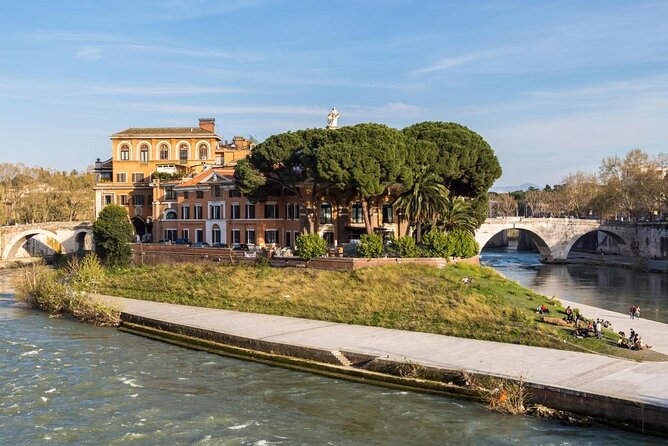
Isola Tiberina, the small island in the Tiber, is another key point along the route. Its position in the middle of Rome’s river gives the guide a natural place to explain the city’s relationship with the water. The stop also breaks up the paddling.
A snack is included, described as typical Roman street food. Several accounts refer to pizza and water, although the quality of the pizza may be basic rather than a reason to book the trip. I would treat it as a welcome pause, not a food tour.
The snack matters most on a hot day. Paddling, sun, and wet clothing can leave you ready for something simple. If you have dietary needs, ask in advance, since the supplied information does not explain the snack options.
You may also have time for photos during this part of the route. Keep your camera or phone protected. A waterproof bag is supplied, but your personal device is still your responsibility. An action camera is not included, so bring your own only if you can secure it safely.
Two easy rapids, and a good chance of getting soaked
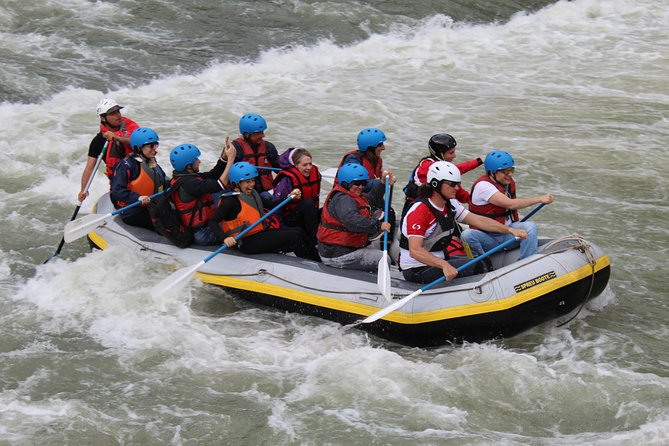
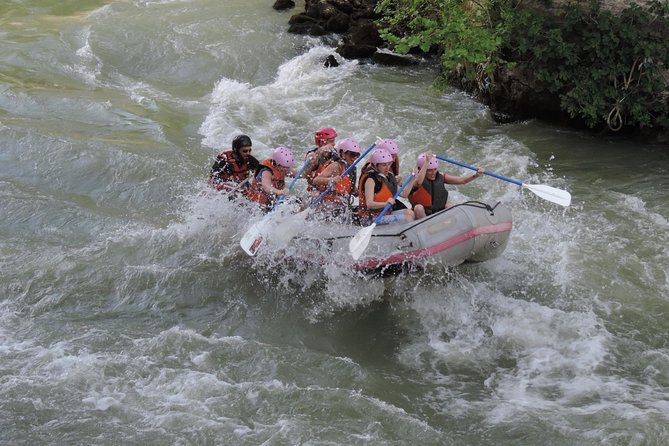
The rapids arrive near the end, which gives you time to learn the basic paddling rhythm first. They are described as easy and suitable for beginners. You do not need white-water experience, and the activity is not designed to test expert rafters.
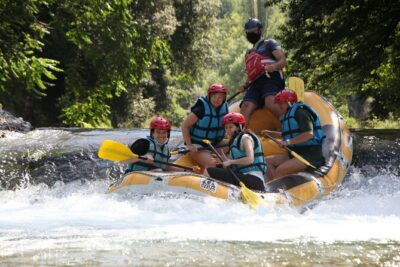
The scale of the rapids varies with your position and the conditions, but the pattern is consistent: calm water first, then two short sections that add noise, movement, and laughter. Some people get only a little wet, especially around the shoes and lower clothing. Others come away drenched.
Plan for the wetter version. Wear quick-drying clothing and shoes you can wash. Several people found that their clothes and trainers needed more than a quick rinse afterward because the water is river water. A spare outfit is useful, especially if you have dinner or another tour afterward.
The cooler temperature can be a real benefit in June, July, and August. A morning departure around 10:30 is the better choice if you want to avoid the strongest heat. An afternoon departure around 3:30 may feel much warmer before you reach the river.
You are not normally getting into the water on purpose. The splash comes from the raft and the rapids, although the activity can become much wetter if someone chooses to jump in. Follow the guide’s instructions and keep your belongings secured.
What the guides add to the experience
The guide can make or break a quiet river trip. The strongest part of this outing is the mix of basic instruction, Roman stories, and relaxed conversation. Guides named Dario, Sebastian, Michael, Daniele, Connie, Greg, Carlos, and Mariana have been praised for being warm, funny, courteous, and well-informed about the river and surrounding sights.
Their role is not only to steer the raft. They explain what you are seeing, stop for photos, help nervous participants settle in, and keep the group moving through the rapids. Daniele, for example, helped a nervous older participant feel at ease, while other guides were singled out for clear safety instructions and good humor.
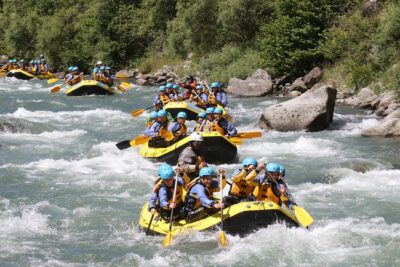
The group limit is 60 people, which sounds large. Actual group size can vary, and smaller outings have taken place. If you are hoping for a quiet, personal trip, ask about the expected group size when booking. A full group will feel more social and less intimate than a small one.
The English-language option makes the tour straightforward for English speakers. The guide’s storytelling may be one of the most valuable parts of the trip, since the river views alone are not packed with major monuments.
The final exit and getting back into Rome
The finish deserves careful planning. Several practical accounts describe leaving the river at a different location from the start. The nearest Metro station may be about 15 to 20 minutes away on foot, with Piramide mentioned as one possible route. A bus can also be useful if your ticket or pass covers local buses.
Do not assume you will be taken back to Piazza del Popolo. The formal details describe the activity as ending back at the meeting point, but the more detailed route information points to a downriver exit. Confirm the day’s arrangement and keep time afterward for walking, changing clothes, and finding transportation.
This is not necessarily a flaw. Leaving in another part of Rome can lead you through streets you might otherwise miss. One route toward Piramide passes the Pyramid of Cestius, turning the return walk into an unexpected bit of sightseeing. It can also be inconvenient if you have a timed reservation immediately afterward.
The end point may have limited privacy for changing clothes. Bring a light cover-up or plan to change discreetly once you reach a suitable place. The waterproof bag protects belongings during the river section, but it does not guarantee a changing room at the exit.
Who will enjoy this most?
I would recommend the trip to families with teenagers, couples looking for something different, and repeat visitors who have already spent several days on the usual Rome circuit. It also suits anyone who wants a break from walking during a hot month.
The activity works across a broad range of ages and fitness levels, but you need to paddle, stay seated along the raft, and manage rocky entry and exit points. If you have limited balance or difficulty climbing, ask the operator for advice before booking.
First-time rafters can enjoy it without special training. The rapids are mild, and the safety briefing covers the basics. Strong swimmers may feel more comfortable, but the supplied information does not list swimming ability as a requirement.
You should skip it if you dislike getting wet, want a polished sightseeing route, or expect serious white-water action. The Tiber is slow for much of the way. Its strength is the peaceful change of view, not speed.
Is $48.39 good value?
At $48.39 per person, the price is reasonable for central Rome. The package includes the main safety equipment, a paddle, waterproof storage, and a snack. You also get a guide who provides history and handles the route, rather than renting equipment and figuring out the river alone.
The value improves if you are traveling with teenagers or need an activity that breaks up a museum-heavy schedule. It also improves in hot weather, when two hours near the water can feel far better than another long walk on stone streets.
The value is weaker if you are buying it mainly for the rapids. There are only two easy sections, and most of the trip is calm. The snack is a pleasant extra, but it may be simple pizza rather than a memorable meal.
The tour is typically booked about 24 days ahead, so popular dates can fill. The booking includes free cancellation up to 24 hours before the start time. Cancellations inside that window are not refunded. Poor weather or failure to meet the minimum group size can cause the operator to cancel, in which case you are offered another date or a full refund.
Should you book the Tiber rafting trip?
Book it if you want Rome to slow down for a couple of hours. You will paddle beneath bridges, hear stories about the river, see Castel Sant’Angelo and Isola Tiberina from a new angle, and finish with a little splash and a snack.
I especially recommend it for families with active teenagers, repeat visitors, and anyone visiting in the summer heat. Wear shoes with grip, pack dry clothes, protect your phone, and leave room in your schedule for the downriver exit.
Skip it if your priority is major monuments at close range or serious rafting. The Tiber is calm for most of the route, and the rapids are gentle. For the right kind of day, though, this is a memorable way to trade Rome’s pavement for its river.
FAQ
Where does the tour begin?
It begins at Piazza del Popolo, near Porta del Popolo in Rome.
How long does the rafting experience last?
The activity lasts approximately two hours. The actual paddling portion is described as roughly 90 minutes in some accounts.
What sights do you see from the river?
The route includes views of Castel Sant’Angelo and Isola Tiberina. You also see bridges, river walls, and other parts of central Rome from the water.
Is rafting experience required?
No. The rapids are suitable for beginners, and a safety briefing is provided before you leave the riverbank.
What equipment is included?
The price includes a life jacket, helmet, paddle, and waterproof bag. An action camera is not included.
Will I get wet?
Yes. The rapids can splash the raft, and some people become soaked. Wear clothing and shoes that can get wet and be washed afterward.
Is there a weight limit?
Yes. The maximum stated weight is 100 kilograms.
Is a snack included?
Yes. A typical Roman street-food snack is included. The snack has been described as pizza and water, but specific dietary choices are not provided.
What happens if the tour is canceled?
If poor weather causes a cancellation, you are offered a different date or a full refund. If the minimum number of participants is not reached, you are also offered another date, another experience, or a full refund.
New on the river around Italy
- 3 Hours of Super Rafting in Cassino★ 5.0 · 3 reviews
- 2 hours of Rafting Power on the Gari River in Cassino★ 5.0 · 7 reviews
- 2 Hours of Guided Soft Rafting in the Gari River in Cassino★ 5.0 · 5 reviews
- Rafting on the Arno River in Florence under the Arches of Pontevecchio★ 5.0 · 45 reviews
- “Stop & Go” rafting★ 5.0 · 13 reviews
- Rafting “Experience 2 days”★ 5.0 · 22 reviews
- Raft pack★ 5.0 · 34 reviews
- Soft Rafting on Adda River★ 5.0 · 10 reviews
Italy Rafting Tours, compared.
Tiber River Urban Rafting Tour with Roman Pizza
Read our review →
Other lists with this river day