
Review · MAUI RAFTING TOURS
Whale Watching Maui: 2-Hour Small Group Raft Tour from Lahaina
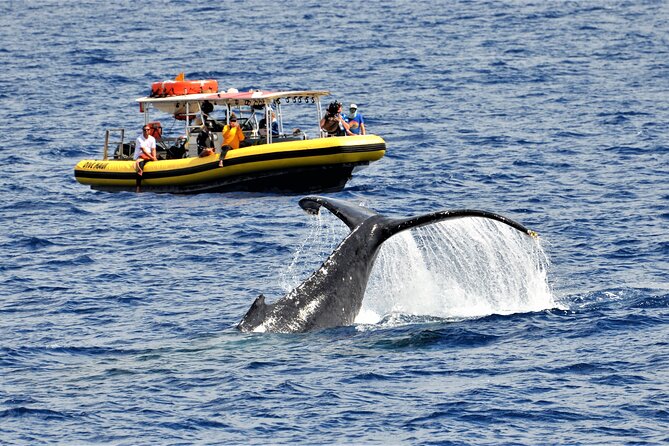
Humpback whales come to Maui each winter to mate and give birth, and this two-hour raft tour puts you close to the water with open views in every direction. The small boat is built for watching, not lounging, so you can scan for blows, tails, breaches, mothers, calves, and escort males without a wall of passengers around you.
I like the small group size, which can be as few as eight people and never exceeds 20. I also like the hydrophone, a rare treat that lets you hear whale songs through onboard speakers. The main consideration is that small does not mean closer than the law allows, and whale behavior can be quiet on any given morning.
Key points at a glance
- Whale songs through a hydrophone: Listen to humpbacks beneath the raft, not just watch them at the surface.
- Groups capped at 20: Some departures may have only eight people, giving you room to look in several directions.
- Two experienced crew members: Captains such as Will and Joe work with naturalists including Renee, Brian, and others.
- Maui Nui whale sanctuary: The tour heads into the warm waters where humpbacks gather to mate and raise calves.
- Whale sighting guarantee: If no whales appear, you receive another trip at no charge.
- Practical extras: Filtered water, paper cups, reef-safe sunscreen, and rain ponchos on wet days are included.
Setting out from Lahaina on a yellow raft
You meet at 1223 Front St. in Lahaina, then return to the same point at the end. The total outing lasts about two hours, so it fits neatly into a morning or afternoon without swallowing your whole day.
The vessel is a custom-built inflatable raft. That matters because you sit low to the ocean, with a clear view rather than a high rail blocking the surface. The design also gives you a useful 360-degree view. If a whale surfaces behind you, the crew can help reposition the raft, and you are not confined to watching one side of a large boat.
There is a trade-off. A raft has less room than a large commercial vessel, and the ride may feel more exposed to wind and waves. This is not the choice for anyone seeking a spacious deck, a shaded cabin, or a quiet place to sit apart from the sea.
The maximum group size is 20, though some outings have had only eight people aboard. That small scale is one of the strongest reasons to consider this trip. You can ask questions without shouting across several rows, and the captain can keep the group focused on the action.
More Whale Watching Trips around the USA:
- Maui Eco-Raft Tour: Eye-Level Whale or Dolphin Watching – Lahaina
★ 5.0 · 2,482 reviews - Maui: Ultimate Whale Watch from Lahaina
★ 5.0 · 1,162 reviews - Maui Whale-Watching Tour by Raft from Kihei
★ 5.0 · 646 reviews
Entering Maui Nui’s winter whale grounds
The central event is the journey into the Maui Nui whale sanctuary, the warm water area around Maui where humpback whales gather during the winter season. They come here to mate, give birth, and care for their young.
You are not being taken to an aquarium or a fixed viewing platform. The whales are wild, and the crew has to search the surface for blows, tail flukes, splashes, and moving groups. The experience may include a mother and calf, an escort male, several whales competing for access to a female, or a playful young whale practicing its skills.
That variety is part of the appeal. Some of the strongest outings have included mothers with calves, escort males, repeated activity near the raft, and even a whale passing beneath the boat. One particularly exciting pattern is watching a calf breach or practice breaching while adults remain nearby.
Still, keep your expectations sensible. The sighting guarantee means you can take another trip if no whales are seen, but it does not guarantee breaches, close approaches, or a certain number of animals. The crew cannot control where the whales surface or how active they are.
Why the raft can improve the view
Small boats have a practical advantage: fewer heads and less distance between you and the water. The raft’s low profile can make the ocean feel more immediate, and every seat offers a forward-facing chance to look around.
That does not give the captain permission to approach as close as possible. Hawaiian whale-watching operators follow the same wildlife-protection rules, no matter the size of the vessel. The boat must keep the required distance, and the whales decide the encounter.
This is an important point when comparing prices. A small raft can maneuver well and may spend less time shifting passengers from one side of the boat to another, but it cannot promise a closer legal approach than a large boat. One unfavorable experience described the small vessel as offering no better distance than cheaper commercial trips. That criticism is worth taking seriously if your only reason for booking is the hope of getting physically closer.
The real benefit is the viewing style. You get fewer people, a low seat, quick communication with the crew, and a more personal setting. For many people, that is worth more than a large boat’s lower price.
Listening to humpbacks below the surface
The hydrophone is one of the most distinctive features of this outing. The crew lowers it into the water and sends the sounds through onboard speakers, allowing you to hear humpback songs during the trip.
Seeing a whale is thrilling, but sound adds another layer. You may be scanning for a blow when the crew switches on the system and the boat fills with the low, eerie calls of whales beneath you. It helps explain why a quiet surface can still be active below.
The naturalist also provides context about humpback behavior, calf care, escort males, mating competition, and the local sanctuary. Guides such as Renee and Brian have been singled out for making the science easy to follow, while captains including Will and Joe are praised for locating active groups and positioning the raft responsibly.
The quality of this part depends heavily on the crew assigned to your departure. The strongest outings pair a captain who reads the water well with a naturalist who enjoys answering questions. That combination seems to be a major part of the experience, not a minor extra.
More Two-Hour Experiences around the USA:
- 2 Hour Rafting on the Yellowstone River
★ 5.0 · 549 reviews - Maui Eco-Raft: 2 Hour Dolphin Watch Sightsee Tour (Semi-Private)
★ 5.0 · 95 reviews - Clear Creek Intermediate 2h 30m Rafting Trip – Idaho Springs, CO
★ 5.0 · 22 reviews - Clear Creek Classic 2h 30m Rafting Trip – Idaho Springs, CO
★ 5.0 · 19 reviews
What the two hours typically feel like
The outing begins with the raft leaving the Lahaina meeting point and heading toward the sanctuary waters. The crew scans for whale activity while explaining what to watch for. A blow may appear first, followed by a back, tail, or sudden breach.
Once whales are found, the captain works to position the raft while respecting the required viewing distance. You might spend time with one mother and calf, move toward another group, or wait as the animals surface again. Patience is part of the activity. Humpbacks do not perform on a schedule.
The naturalist keeps the time useful between sightings. You can ask about behavior, migration, calves, songs, or the role of escort males. Several strong outings have included more than a dozen whales, but no single number should be treated as a promise.
The return trip brings you back to the original meeting point after about two hours. Because the activity is short, you can combine it with other plans in Lahaina, though it is wise not to schedule something that cannot tolerate a weather-related change.
The crew makes the difference
The most praised part of this experience is the crew. Captains Will and Joe receive repeated credit for finding whales and placing the raft in good viewing positions. Naturalists Renee and Brian are often recognized for clear explanations, warmth, and enthusiasm.
That personal attention matters on a small boat. You can ask why a male is following a mother and calf, what a particular blow means, or why the crew is watching one patch of water instead of another. The answers help turn a series of distant surfaces into a readable wildlife encounter.
I especially like that the crew’s role is not limited to steering. The naturalist helps you understand what you are seeing, and the hydrophone gives the group something to share even when the whales are not breaching.
One caveat: the exact captain and naturalist can vary. A high-quality experience depends partly on the crew working that departure, along with weather and whale activity.
What is included, and what you should bring
Filtered water and paper cups are provided, which reduces the need for single-use plastic bottles. Reef-safe sunscreen is included too, a useful touch for a water activity in strong tropical sun.
Rain ponchos are available on wet days. You can also bring alcoholic drinks, but only in non-glass containers. The safest practical approach is to keep your belongings simple, bring sun protection, and carry a camera that you can handle without losing your grip.
The supplied information does not list food, so do not plan on a meal aboard. The trip lasts two hours, and bottled or filtered water is the main refreshment specifically provided.
The raft is family-friendly, but children younger than three cannot participate. Pregnant people are not permitted, and service animals are allowed. Most people can take part, though anyone unsure about the physical demands of a small open raft should ask before booking.
Is $80.60 a fair price?
At $80.60 per person, this costs more than some large-boat whale trips. The price makes the most sense if you value a smaller group, open sight lines, a low raft, and the hydrophone.
You are paying for the setting as much as the two hours on the clock. A large boat may offer more space, but it can also mean more passengers, more competition for the best viewing area, and a less personal exchange with the crew. Here, the cap of 20 gives the captain and naturalist a better chance to address the group directly.
Still, the premium is not a guarantee of better whale behavior. One quiet outing can feel expensive, especially if you have already watched whales from shore or taken a cheaper boat trip. The company’s response to that concern is fair: all operators face the same wildlife rules, and no one can order a humpback to breach.
The free return policy if no whales are seen improves the value. It does not remove the risk of a subdued encounter, but it gives you protection against the worst outcome, an outing with no whale sightings at all.
Weather, cancellations, and timing
This activity requires good weather. High winds and waves can lead to cancellation, and safety comes first. If that happens, you are offered another date or a full refund.
You can cancel for a full refund if you do so at least 24 hours before the scheduled start time. Cancellations or changes made within 24 hours are not refunded or accepted.
The tour is commonly reserved well ahead of time, with an average booking lead of about 26 days. That suggests you should reserve early if your Maui dates are fixed, especially during the winter whale season. At the same time, leave some flexibility in your schedule in case rough weather requires a new date.
Who should choose this Maui whale tour?
I would choose this trip if you want a small, active wildlife outing rather than a large sightseeing cruise. It suits couples, families with children aged three and older, and friends who care about hearing explanations and asking questions.
It is also a good choice if you have already seen whales from shore and want a different perspective. The raft places you at water level, and the hydrophone gives you an experience shore viewing cannot provide.
You may prefer a larger vessel if you want more room, less exposure to the sea, or a lower price. I would also think twice if your main goal is a guaranteed close approach. The captain must follow the same rules as every other operator, and the whales remain in charge.
Should you book it?
Book this Lahaina whale tour if the small group, low raft, personal crew, and underwater whale songs appeal to you. The strongest outings combine active whales with guides such as Will, Joe, Renee, or Brian, and the experience can include mothers, calves, escort males, breaches, and whales passing near the raft.
I would not book it solely because you expect to get closer than every large boat. That is not how the regulations work, and wildlife can be quiet. But if you want a thoughtful, compact outing with a sighting guarantee and a crew that focuses on both finding whales and explaining them, the $80.60 price is reasonable.
FAQ
Where does the whale-watching tour start?
It starts at 1223 Front St. in Lahaina, Hawaii.
Where does the activity end?
The tour ends back at the same meeting point in Lahaina.
How long is the whale-watching trip?
The outing lasts approximately two hours.
How much does the tour cost?
The listed price is $80.60 per person.
What happens if no whales are seen?
You are guaranteed a free return trip if no whales are seen.
How many people can join the tour?
The maximum group size is 20 people. Some departures may have fewer passengers.
Can children join the tour?
Children younger than three are not permitted. The activity is otherwise described as family-friendly.
Are pregnant people allowed to participate?
No. Pregnant people are not permitted on this tour.
Is water provided?
Yes. Filtered water and paper cups are included. Bottled water is also listed among the tour features.
What is the cancellation policy?
You receive a full refund if you cancel at least 24 hours before the start time. Cancellations within 24 hours are not refunded. If poor weather cancels the activity, you can choose another date or receive a full refund.
New on the river around the USA
- Half-Day Family-Friendly Moab Raft Trip★ 5.0 · 49 reviews
- Moab Full-Day White Water Rafting Tour in Westwater Canyon★ 5.0 · 74 reviews
- Cataract Canyon Rafting Adventure from Moab★ 4.5 · 85 reviews
- Fisher Towers Rafting Full-Day Trip from Moab★ 4.5 · 102 reviews
- Riggins Idaho half-day rafting trip on the Salmon River★ 5.0 · 25 reviews
- Riggins Idaho 1-day Rafting Trip on the Salmon River★ 5.0 · 34 reviews
- Full-Day Whitewater Rafting Trip on Salmon River with Lunch★ 5.0 · 13 reviews
- 4 Hr Kennicott Glacial Lake & River Raft★ 5.0 · 9 reviews
Maui Rafting Tours, compared.
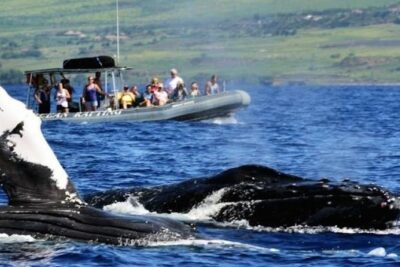
Maui Eco-Raft Tour: Eye-Level Whale or Dolphin Watching – Lahaina
Read our review →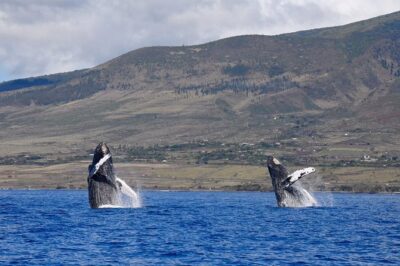
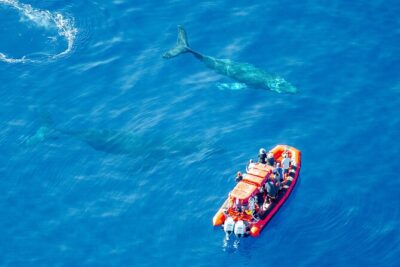
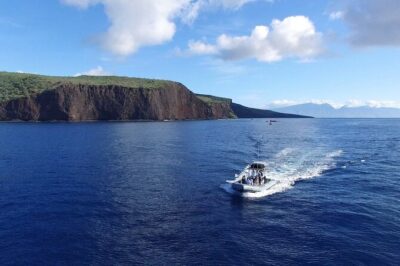
Maui to Lanai Semi-Private Eco Raft Snorkel & Dolphin Tour
Read our review →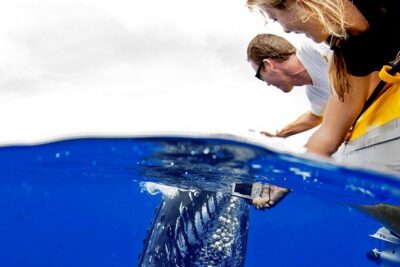
HIGH QUALITY Whale Watch Adventure Aboard Luxury Super Raft
Read our review →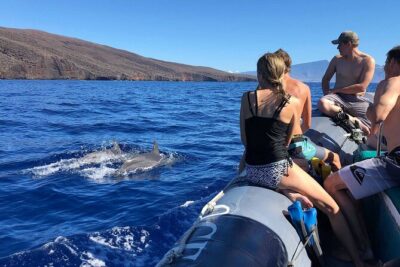
Maui Eco-Raft: 2 Hour Dolphin Watch Sightsee Tour (Semi-Private)
Read our review →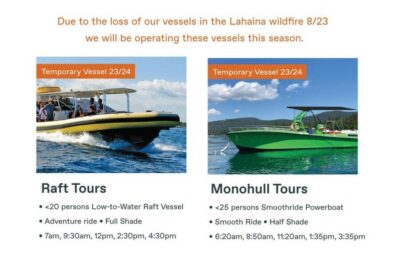

Super Raft – Private Charter Maui 3 Hour Snorkel to Coral Gardens or Molokini
Read our review →Other lists with this river day